
No products in the cart.
Return To Shop“Energy-based poverty alleviation” in male-female relationships
China OEM adult toy manufacturer
China custom sex toy manufacturer
China realistic dildo manufacturer
China adult toy supplier for brand
I wrote this passage a few years ago:
“Partners can complement each other in other aspects, but it’s best if their life energies are balanced. If one partner is ambitious and tirelessly burning with desire, while the other is uninterested in pursuing or acquiring, or even indifferent—at least in the cases I’ve seen, this kind of couple is particularly prone to ending in a tragic disintegration.”
I can’t quite recall why I felt that way back then. But recently, I’ve been thinking about those words frequently, and I feel they increasingly resonate with the changes in social structures and the shifts in male-female relationship patterns over the past few years. Moreover, there seems to be a reversal in gender dynamics—nowadays, in our lives and on screen, we see more and more women with burgeoning desires, and in contrast, a shrinking and gloomy male population.
What exactly makes a “strong woman, weak man” couple strong? And what makes them weak? Perhaps it’s worth examining in detail.
The imbalance between desire and mental strength
Maurice Merleau-Ponty said:
“No desire is solely related to the body; all desires seek another desire or another form of validation beyond it. It is a passion that persists even after exhaustion.”
The essence of a relationship is the union of desires, a point I believe needs no further explanation. If the needs of both parties differ, and their standards for fulfilling those needs differ, then disharmony will inevitably surface sooner or later.
How do we determine a person’s energy level ?
Look at their drive, their motivation, and their ego functions and superego activities.
Men’s drive often comes more from external sources, from their innate sense of responsibility and mission, from societal expectations, and from family aspirations. Many external forces help shape a boy into a man. They also relatively easily obtain maximum resource support from within their families, methodically completing the mainstream narrative of marrying, having children, establishing a career, and building a family.
Completing this path without any doubt represents the pinnacle of strength that most traditional men can reach .
A significant number of men, upon reaching this stage, begin to show a marked contraction in their sense of self—making an obvious choice between leaving behind a career, a work of art, or a child.
They smoothly transitioned from the aesthetic stage to the ethical stage. Naturally, this also brings long-standing mental inertia into the management of marital relationships. They don’t need to manage them; even their sensory systems for perceiving emotions have deteriorated. They do what the men around them are doing. They believe they have given enough to their families, and all of this is taken for granted.
In contrast, women’s growth is often more profound and tortuous, and has no clear end.
Women’s drive comes more from within, from a series of self-discoveries and awarenesses that occur during the process of confronting the outside world.
This awareness, whether complete or not, once awakened, cannot be reversed, bringing with it a persistent, flowing state of life, like a bubbling, tireless spring. Even within a stable relationship, she yearns to establish a deeper “connection” with the person opposite her. She longs for a wider world, a larger realm, because the various forms of oppression she experienced in her youth have left her with a persistent sense of emptiness. She has many desires for life, far exceeding this.
I’m not intentionally emphasizing gender differences. In fact, the opposite genders would also hold true. A person’s circumstances determine their form. What I’m trying to say is, what might happen when these two types of people meet and unite?
As long as there is life, there will be war.
The party with stronger energy and a greater desire to achieve their goals might be like Ms. Fu Shou’er in “Goodbye My Love,” for whom appearing on a program is almost equivalent to saving face, like any motivated and ambitious student rewriting their wrong answers.
The one who is content with what they have and stays in the relationship will never (pretend) to know where the problem lies. Through years of wear and tear and exhaustion, they become thick-skinned and resigned to their fate. You can smell the decay emanating from them, and it might even make you doubt your own failure.
Can’t energy be contagious? Yes. But maintaining a constant temperature is very difficult.
The output and “poverty alleviation” from those with strong energy to those with weak energy is not a long-term solution, and the scale is difficult to grasp.
People will soon realize that this is an unsustainable business. Even if you have an endless supply of energy, you can’t withstand the encroachment of an energy black hole.
Compared to other inequalities, the hidden inequalities of “energy” and “vitality” often lie deeper and are more difficult to predict in relationships.
It’s a long, gradual, and hopeless process. One side drifts further and further away, while the other falls further and further down. By the time you finally realize it, it’s almost impossible to mend the relationship, and it’s difficult to explain to the other person. It’s as if you’ve waged an unreasonable and unfair war, and even if you win, it’s an unjust victory. A tall tree has dead branches, and it’s hard to say directly that the other person is that “dead branch” in your life.
Of course, there is also an intermediate form, such as my parents’ generation. One side is responsible for burning brightly, providing energy, and inspiring progress; the other side passively endures, is forced to struggle, and is exhausted both physically and mentally.
A large part of my mother’s life energy was manifested in pushing my father. She forced her partner to fulfill her own burning desires and ambitions.
My dad went from being an ordinary, content small-town teacher to diligently studying for his postgraduate entrance exam, then moving from the county town to a bustling metropolis. From a family of three crammed into a tiny apartment without even a toilet, he dared to take out a loan to buy a house in Shenzhen after only a few months of work. All of this was my mom’s decision, and my dad was terrified at the time. He felt he could never earn enough money for that house in his entire life. He couldn’t bear to think about it, but my mom did it for him.
They had so many arguments that left a deep impression on me. I remember one time after an argument, my mother stormed off to go shopping and bought a cashmere suit in a store in the county town—a very bright and eye-catching orange. From then on, that color became synonymous with an aggressive, vibrant life force in my mind.
Why does love hurt?
“Any married woman could become Madame Bovary in her anxiety and distress.”
I read many similar examples in Shigeo Saito’s book, *The Wives’ Autumnal Years*. One passage in particular is quite typical—
My husband, to put it nicely, is mentally healthy. He doesn’t overthink things, believing that “good enough” is sufficient and life should be enjoyed. I, on the other hand, am the complete opposite. I need to spend time figuring everything out. Whenever we have a conflict, he recovers quickly, changing the subject and falling asleep immediately. I, however, can’t let it go, even wanting to wake him up to argue… If understanding women’s struggles and being caring is considered a virtue, then he’s simply an inconsiderate man, completely unable to comprehend female thinking. Gradually, I feel like I’m performing a one-man show…
My husband and I are like two different elevators; he keeps going up, while I keep going down, and we just drift apart…
Life gradually makes us realize how common this misalignment is.
Anything can happen in any moment.
Eva Illouz mentioned this in her book, “Why Love Hurts”:
“Male culture in the past was parasitic, living off women’s emotions without giving anything in return. According to this view, men are emotional parasites: they demand love but neither produce nor reciprocate it; they don’t provide women with what they need to maintain a relationship. Therefore, women really have to rely on themselves to maintain a relationship. Men not only can’t help, they can’t even rely on themselves.”
Women who want to break free from this cage can only do so by breaking free from this narrative.
How can we break free from this narrative? We certainly need to be more courageous in exploring (new types of relationships) and writing (our true inner thoughts).
Only by becoming a unique and vibrant individual can one maintain vitality in the realm of love.





Product on sale
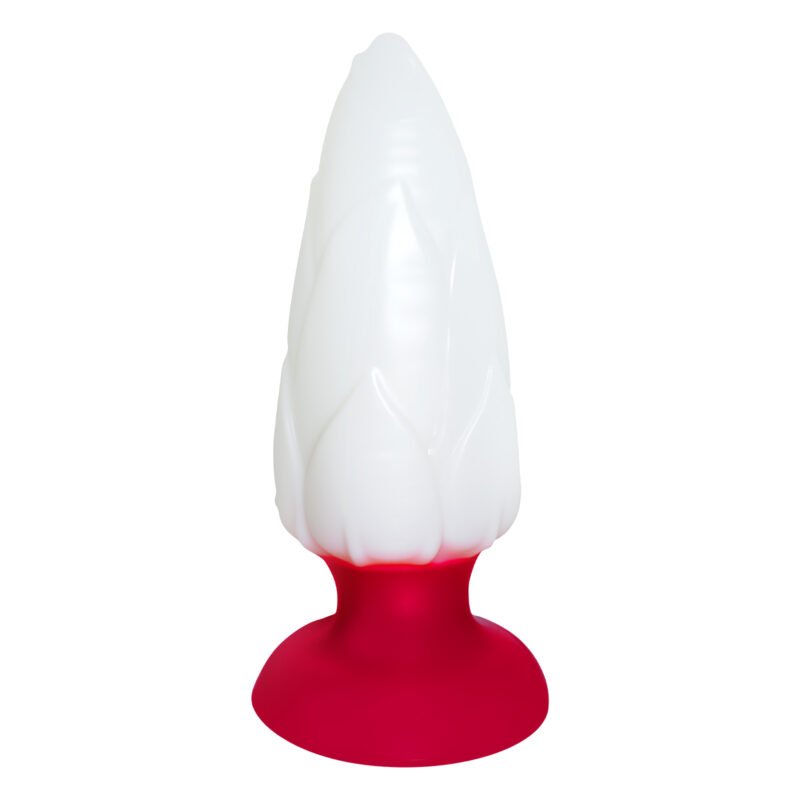
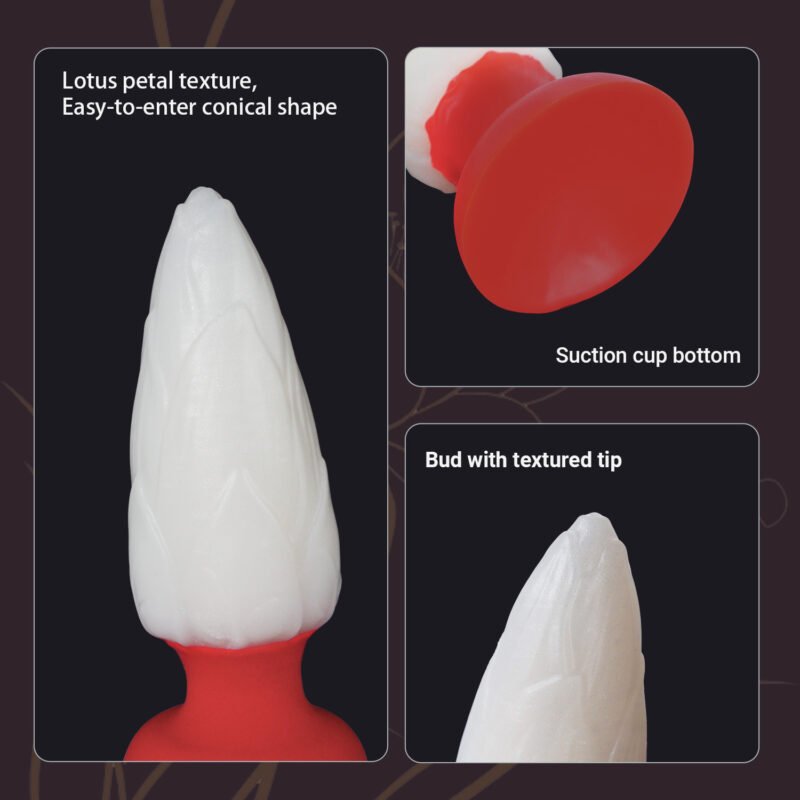
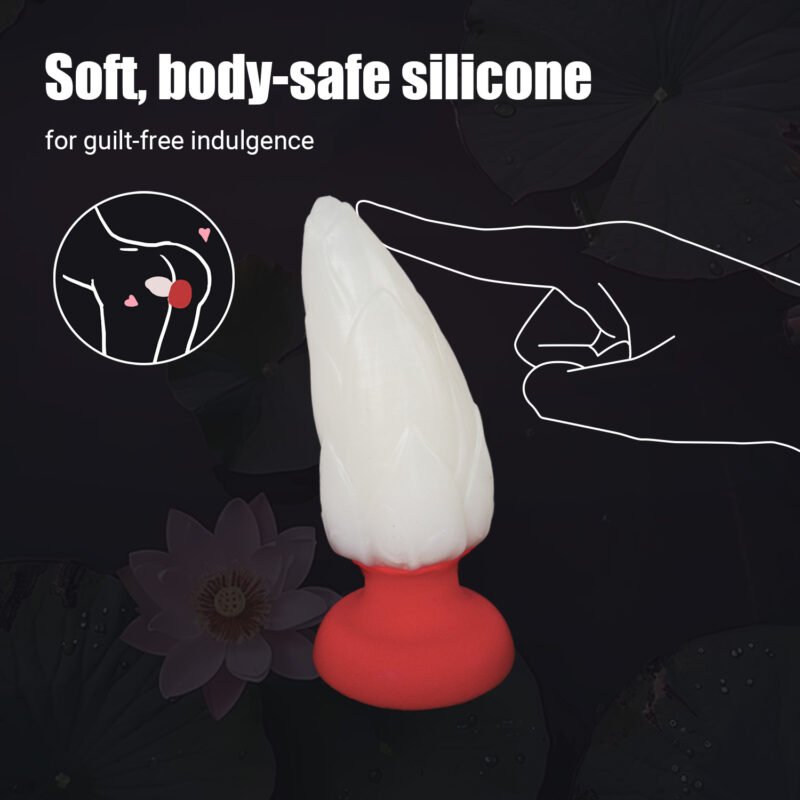
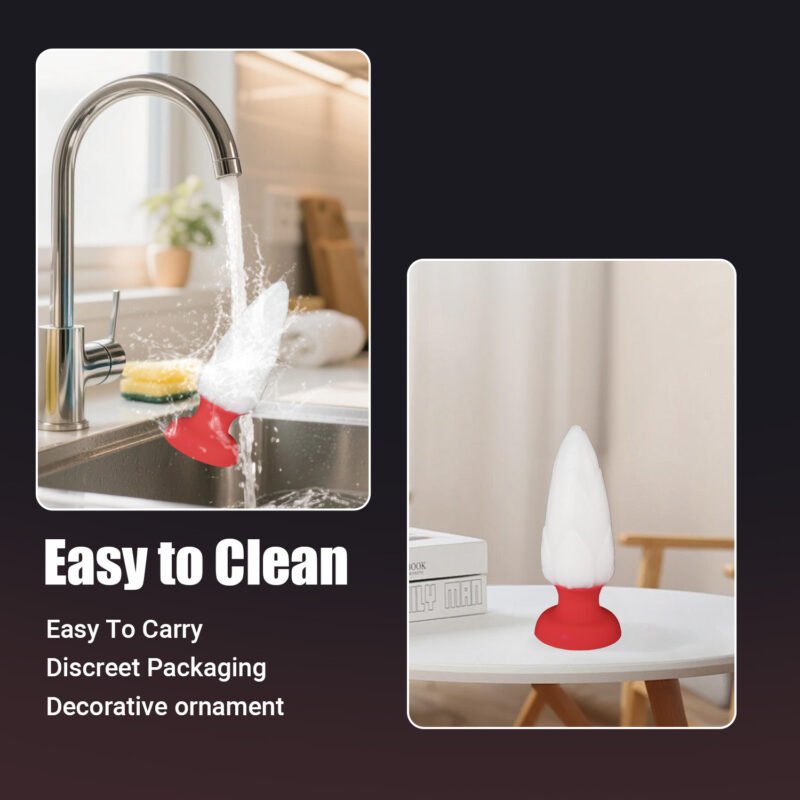
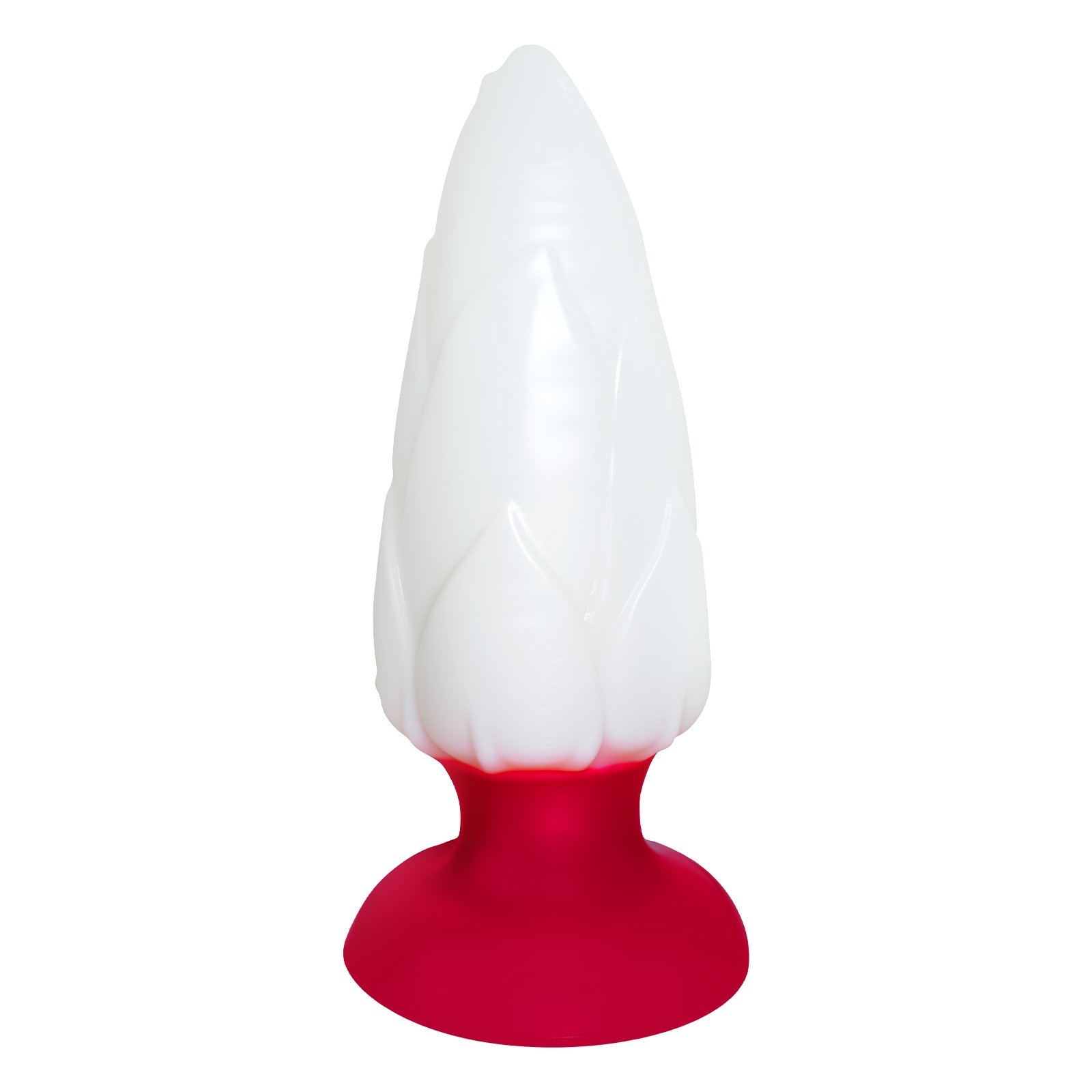
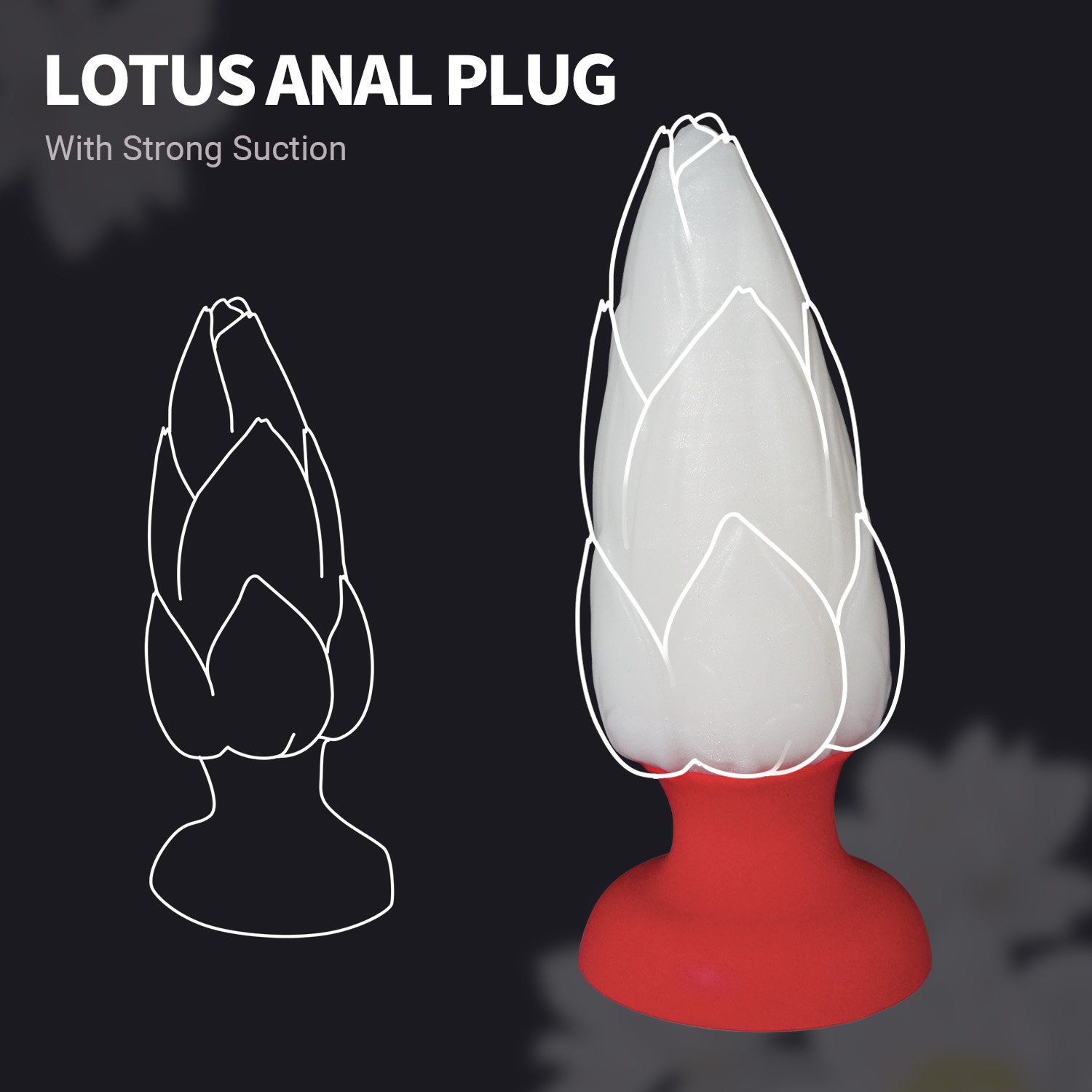
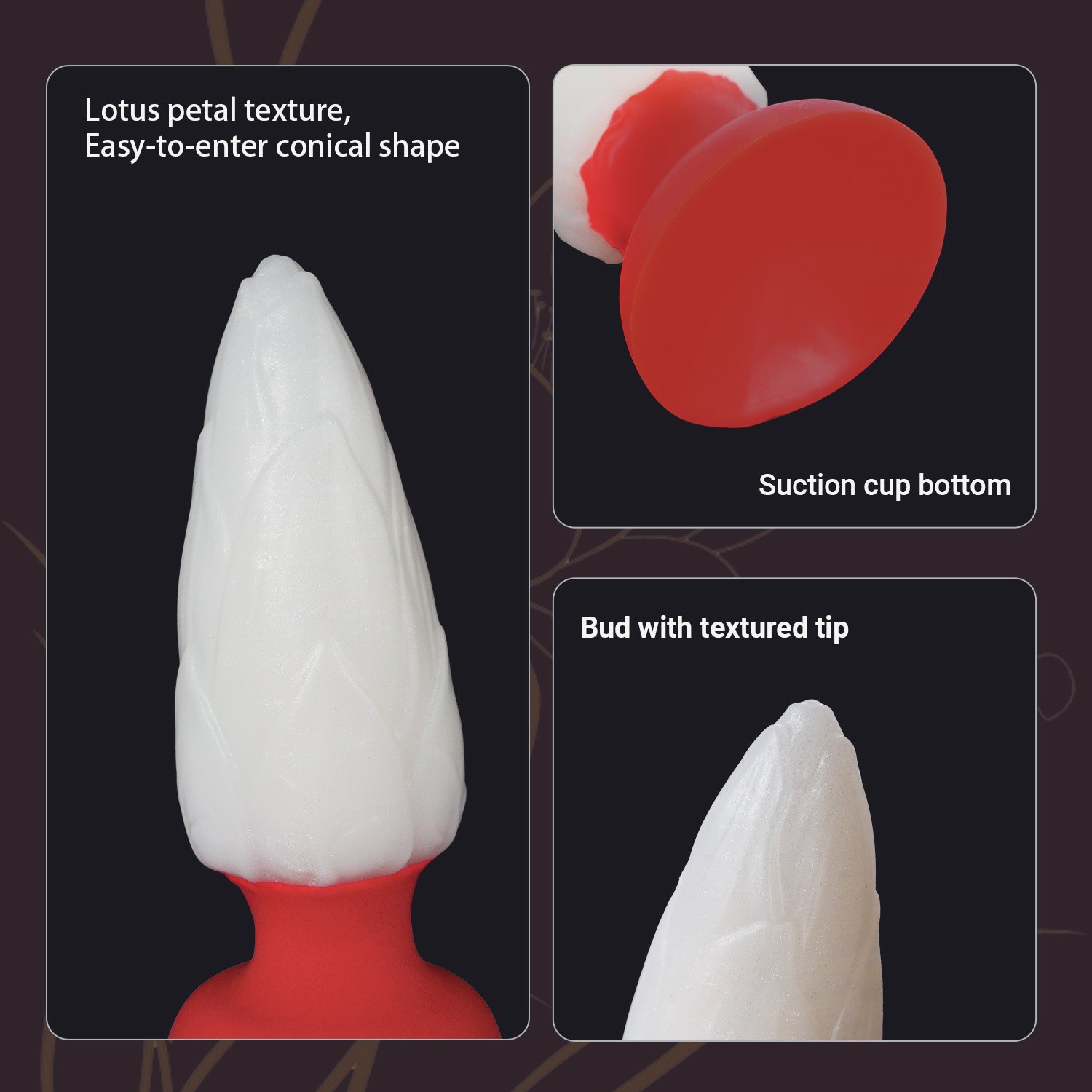
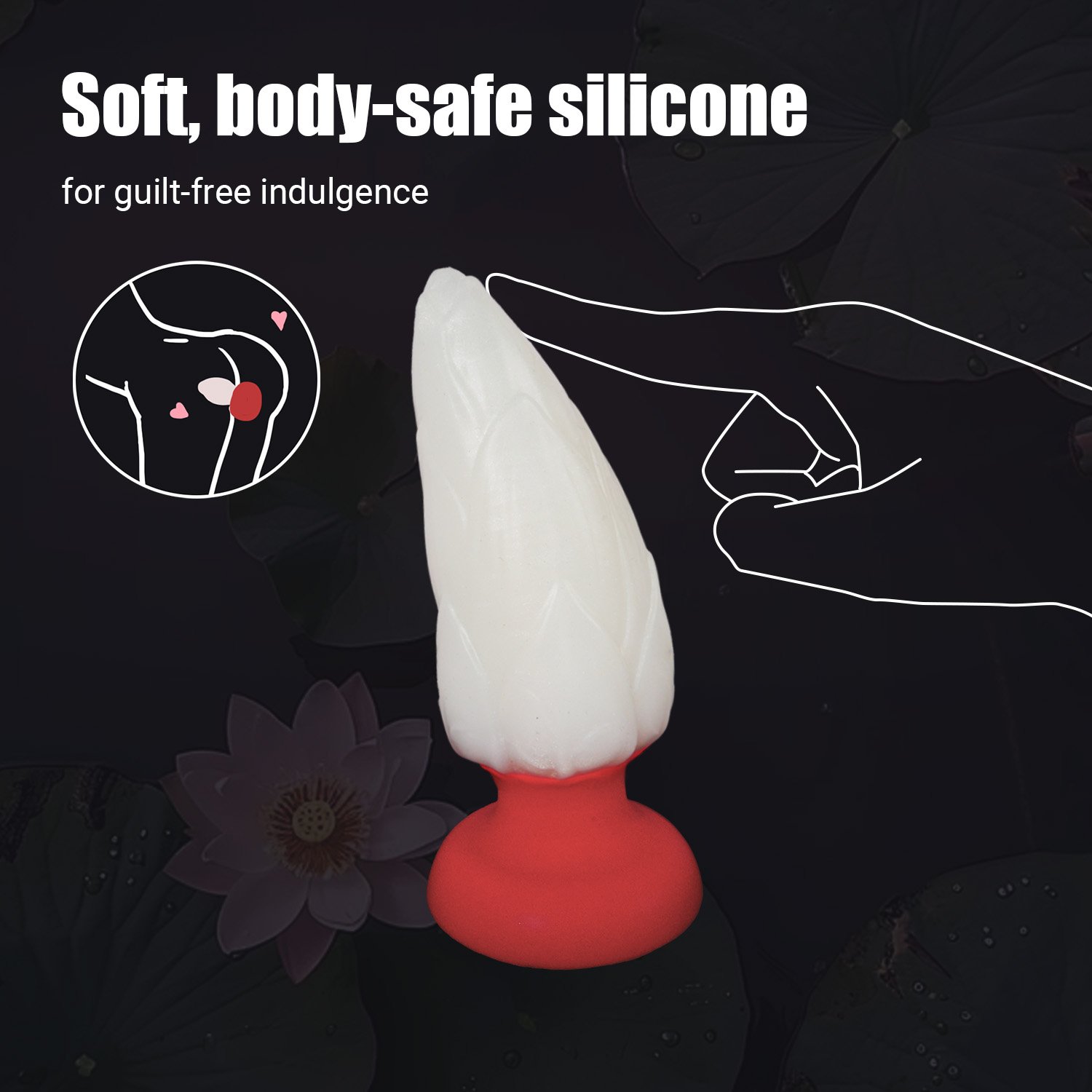
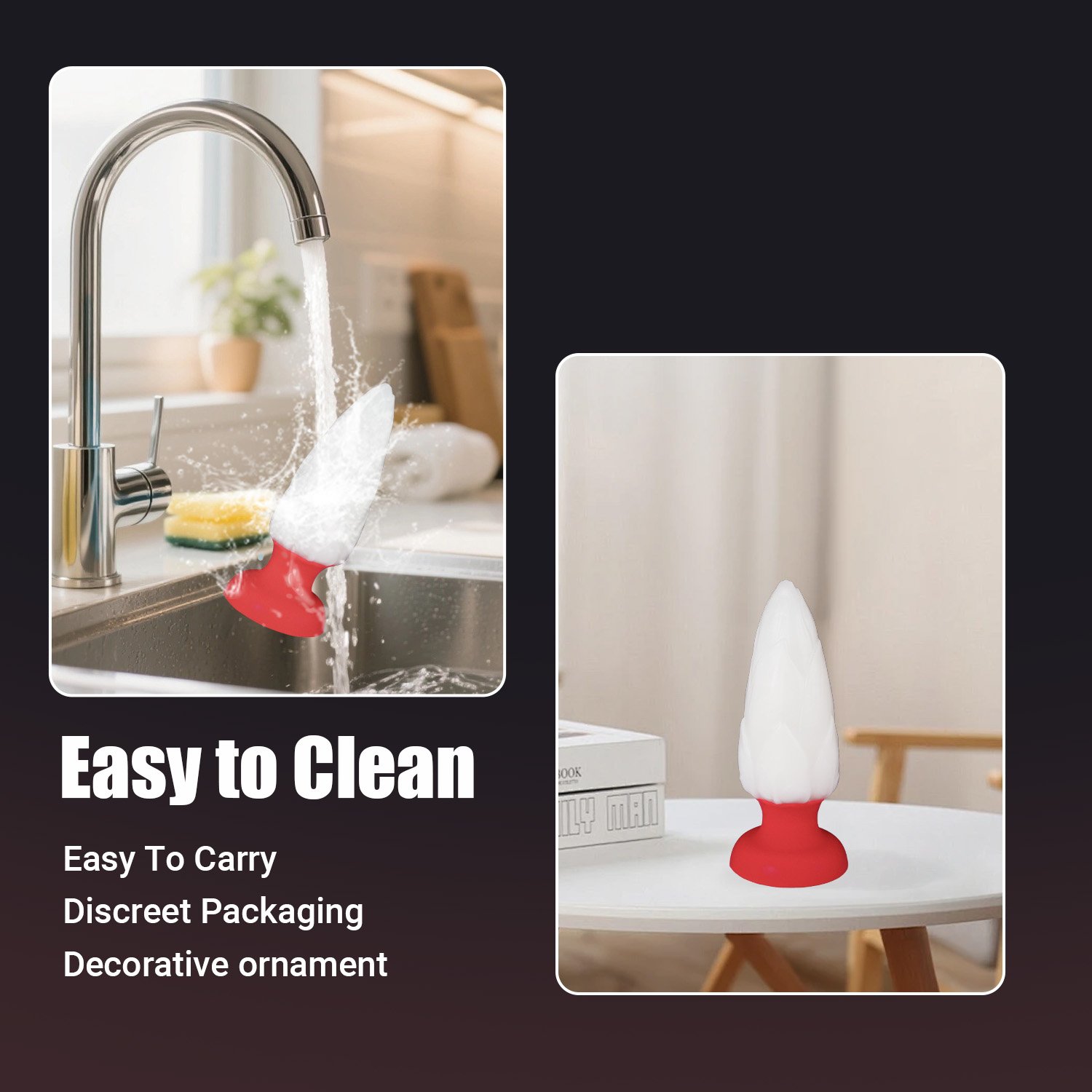
CLIMAGOHI Lotus Desire Silicone Plug – Sensual Tapered Shape with Suction Base, Solo Pleasure Companion for Women. ZY-SC11007
Original price was: $60.00.$32.80Current price is: $32.80.
- Discover the secret to deeper self-indulgence.
- Curves designed to tease, tempt, and satisfy.
- Your private escape into irresistible pleasure.
- Strong base, strong sensations—anytime, anywhere.
- A shape that knows exactly how to please.
- From gentle teasing to full satisfaction—your pace, your rules.
- A silent partner for your most intimate nights.
- Let the lotus bloom inside your secret garden.
- Confidence in every curve, comfort in every touch.
- Designed for women who dare to own their pleasure.

About author


Add comment