
No products in the cart.
Return To ShopDoes caring more make you feel more tired? You might be burning your emotions too hot.

China OEM adult toy manufacturer
China custom sex toy manufacturer
China realistic dildo manufacturer
China adult toy supplier for brand
When a relationship is making you increasingly exhausted, don’t force yourself; try the “tempering effect.”
Have you ever had a moment like this:
You clearly care about the other person, but every communication feels like a tug-of-war; the harder you try, the more they pull back. You desperately try to give, explain, and please, only to be met with indifference and exhaustion. You start to doubt yourself: “Am I not good enough?” “Why is everything I do wrong?”
If you’ve ever felt that “the harder you try, the more powerless you feel,” then the tempering effect we’re going to talk about today might give you a completely different answer.
I. What is the “quenching effect”? A blacksmith’s story
Quenching is originally a process in metal heat treatment. The blacksmith plunges the red-hot iron into cold water. In that instant, water splashes and hisses. What appears to be “cooling” is actually making the metal’s internal structure harder and more resilient through extreme temperature differences.
Psychology borrows this imagery to propose the quenching effect : a relationship or system, after undergoing appropriate “cooling” or “interruption,” becomes stronger and healthier. Just as red-hot iron needs to be quenched in cold water, overly entangled emotions also need a “cooling down” to see their true nature and regain balance.
This principle was sown as early as ancient Greek mythology. The beautiful youth Narcissus fell in love with his own reflection in the water, gazing at it day and night, and eventually drowned, transforming into a daffodil. Psychologists borrowed this story to coin the term “narcissism.” The opposite of the quenching effect is the “Narcissus Trap” —when you only focus on the other person (or your own efforts), you lose genuine connection.
II. Why is it that the more “passive” you are, the more “fragile” your relationships become?
Psychological perspective: Overcompensation and misaligned needs
As Alfred Adler said in *Inferiority and Superiority*, “The essence of all relationship conflicts is that needs are not seen.” When you feel “tired” in a relationship, it’s often because you’ve activated an “overcompensation” mode—you’re afraid of losing, so you give double; you’re afraid of being neglected, so you keep asking questions. This is like heating iron to an excessively high temperature, which makes it impossible to shape.
From Maslow’s hierarchy of needs perspective, this stems from a misalignment between a sense of belonging and a sense of security . You crave acceptance, so you exchange “giving” for attention; but the other person feels pressured to be controlled. Thus, the two people are like two flames, burning each other more the closer they get.
Real-life case study: Xiaomin’s “suffocating love”
Xiaomin and her boyfriend have been dating for two years, and lately she’s become increasingly anxious. When her boyfriend works overtime, she sends him over a dozen WeChat messages; if he doesn’t reply promptly, she calls to question him. She feels she’s “just caring too much,” but her boyfriend has started avoiding her, even saying, “Being with you is exhausting.” Xiaomin cried all night, not understanding why her efforts have only pushed him further away.
It’s like a blacksmith heating iron until it’s red-hot, but forgetting to quench it— continuous high temperatures only deform the metal; only timely cooling can forge a strong shape. Xiaomin’s “heat” suffocated the relationship, leaving it no room to breathe.
III. Two core aspects of the quenching effect: Cooling is not indifference, and interruption is not the end.
Level 1: Emotional “Cooling Down” – Pressing the Pause Button on Emotions
Psychological experiments have found that within 15 minutes of heightened emotional excitement, the rational brain is almost in a “dormant” state. During this time, 99% of what you say or do will be regretted. The tempering effect tells us that when conflict erupts, proactively withdrawing from the “battlefield” is not about running away, but about giving each other a chance to cool down and reflect.
Real-life example: My friend A-Jie and his wife often argued about childcare. One time, they were arguing fiercely when A-Jie suddenly said, “Let’s stop for a bit, we’ll talk again in half an hour.” He put on his headphones and listened to a song, while his wife went to the balcony to water the plants. Half an hour later, they sat down, and his wife spoke first: “I was too hasty just now. Actually, you’re right, the child shouldn’t eat too much sugar at night.” A-Jie laughed: “My attitude wasn’t good either.” This brief respite transformed their argument into a consensus.
Level Two: Relationship “Disruption” – Rebuilding Boundaries and Attraction
Often, we dare not “interrupt” because we fear “loss.” But the psychological effect of “intermittent reinforcement” suggests that a moderate distance and uncertainty can actually stimulate the other person’s curiosity and appreciation. Just like the “hiss” of cooling during quenching, it’s not the end, but the beginning of a transformation for the metal.
Real-life case: Reader Xiaolin was troubled by her best friend’s “demanding friendship.” Her best friend would always ask her to go shopping while Xiaolin worked overtime, and when Xiaolin refused, her best friend would give her the silent treatment. Later, Xiaolin decided to “test the waters”—she didn’t contact her best friend for a week. Initially, she panicked, but a week later, her best friend messaged her: “Are you very busy lately? I miss you a little.” Xiaolin calmly replied: “I do need some time of my own. We can meet up for the weekend.” From then on, her best friend began to respect her boundaries.
IV. Practical Methods: A Three-Step “Tempering Method” to Restore Relationships’ Resilience
If you’re feeling suffocated or exhausted in a relationship, try these three steps. They’re like a blacksmith’s tempering process—simple yet effective.
Step 1: Identify “overheating signals”
When you find your heart racing, your voice becoming shrill, or you repeatedly thinking about the same thing, tell yourself, “The iron is red-hot; it’s time to temper it.” Don’t wait for your emotions to explode; take the initiative to stop. You can set a signal, such as saying to yourself or the other person, “We need a glass of water’s time.”
Step Two: Physical detachment, do something “irrelevant”.
Leave the scene immediately. Go to another room, go for a walk, or do something small that requires focus (like tidying the bookshelf or listening to a song). The key: Don’t think, “Will he be angry?”, but focus entirely on the present moment. Like immersing iron in cold water, let the temperature drop naturally.
Step 3: Reconnect, start the conversation using the “I” sentence structure.
After cooling down (at least 15 minutes is recommended), return to the relationship. Replace “You always… Why don’t you… ” with “I feel… I need…” . For example, “I was feeling a little anxious just now, and I need to reassure you that we’re still on the same page, not arguing.” This will convey your sincerity rather than accusation.
Remember, tempering isn’t about punishing the other person, but about protecting the essence of the relationship from being melted by high temperatures . Just as a good blacksmith doesn’t heat iron until it breaks, but uses the wisdom of tempering to forge the hardest blade.
V. In conclusion: Good relationships can withstand the test of time.
As psychologist John Gottman said, “Every relationship has cracks, but it is these cracks that let the light in.” The tempering effect is not about teaching us to run away, but about teaching us how to retain a clear-headed tenderness in the midst of passionate emotions.
The next time you feel suffocated in a relationship, try being the brave “blacksmith.” Take a deep breath, step back, and let the cold water forge a stronger bond. You’ll find that true intimacy isn’t about never cooling down, but about understanding how to warm each other up after every period of cooling .








Product on sale
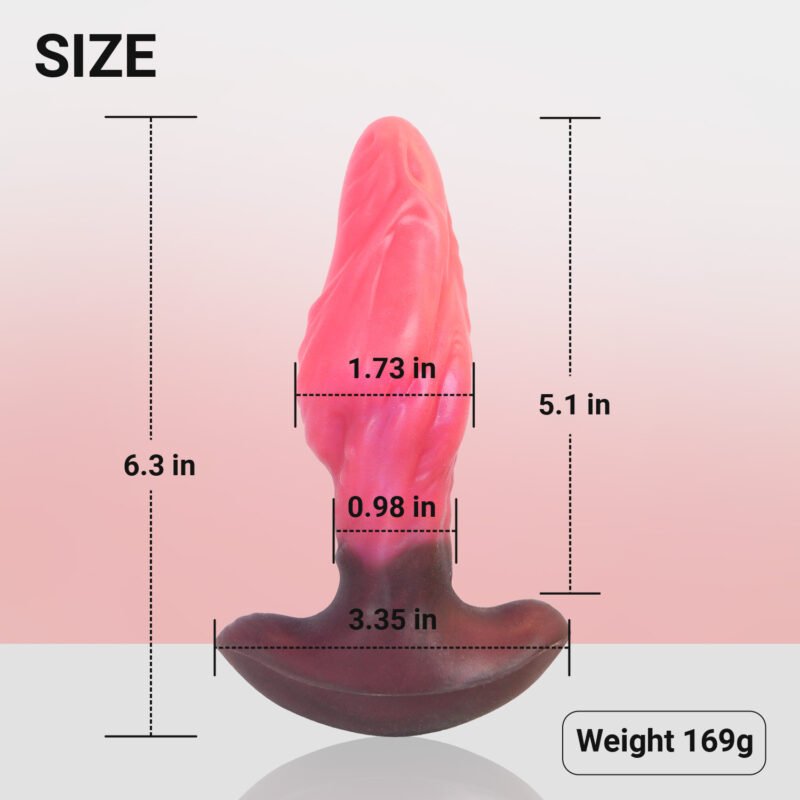
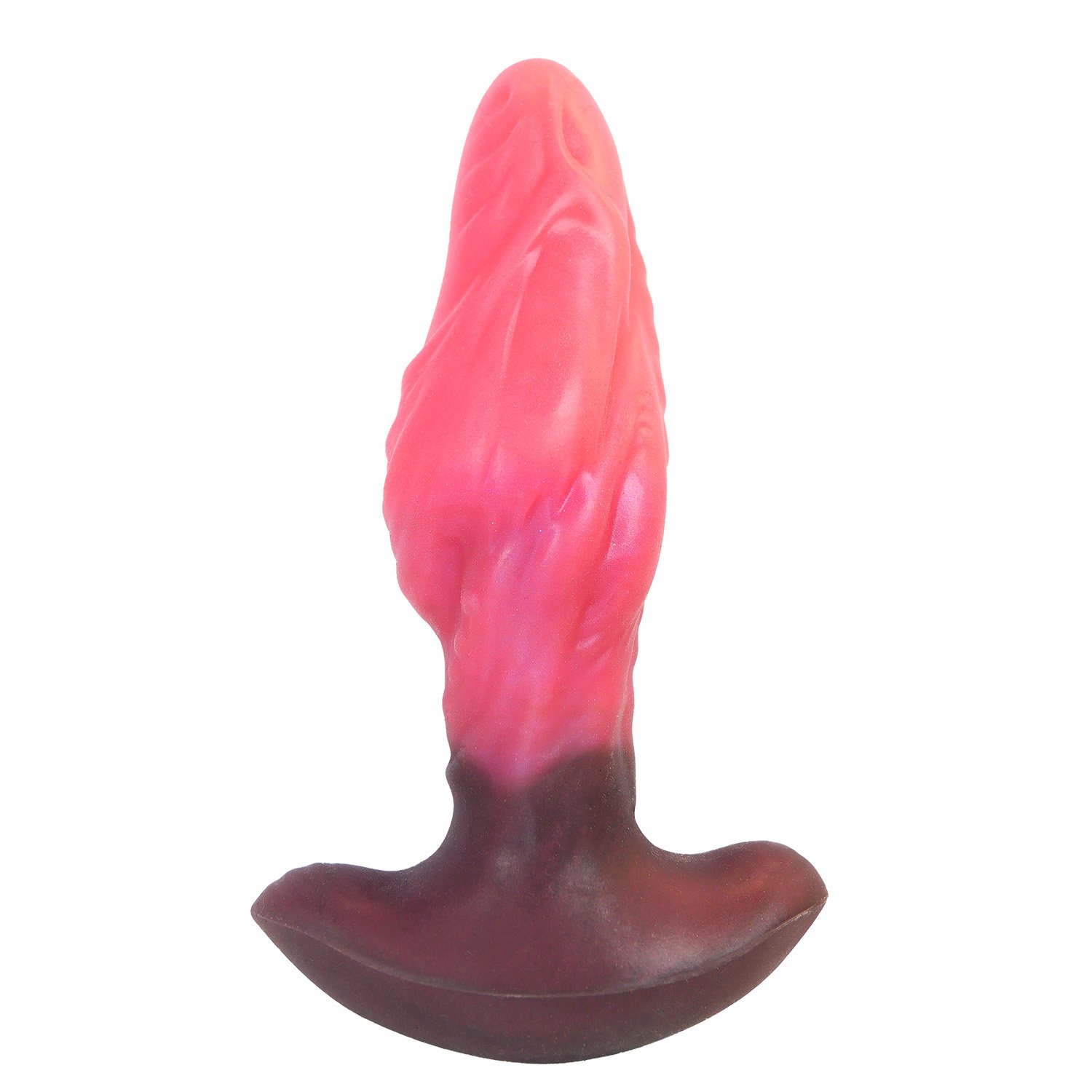
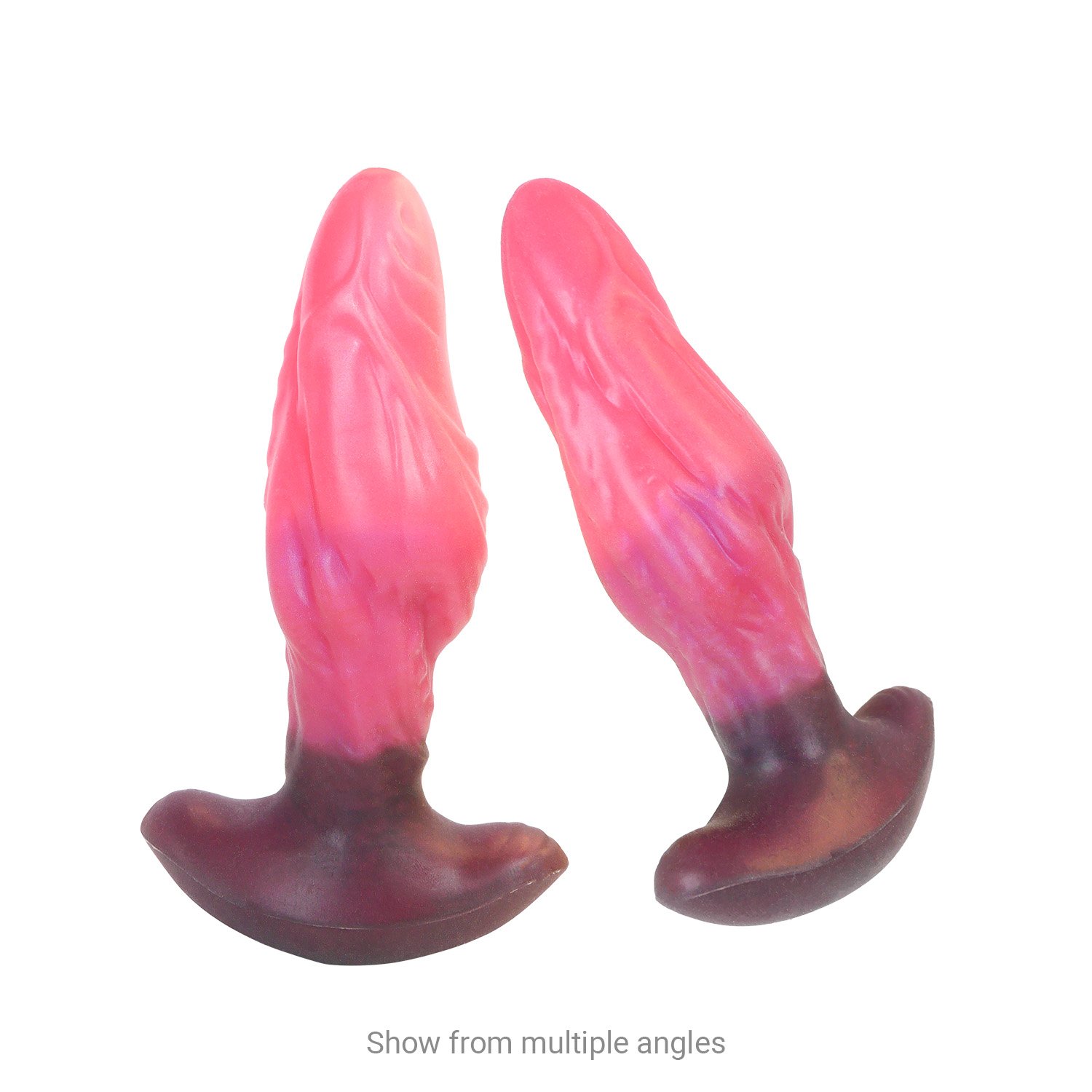
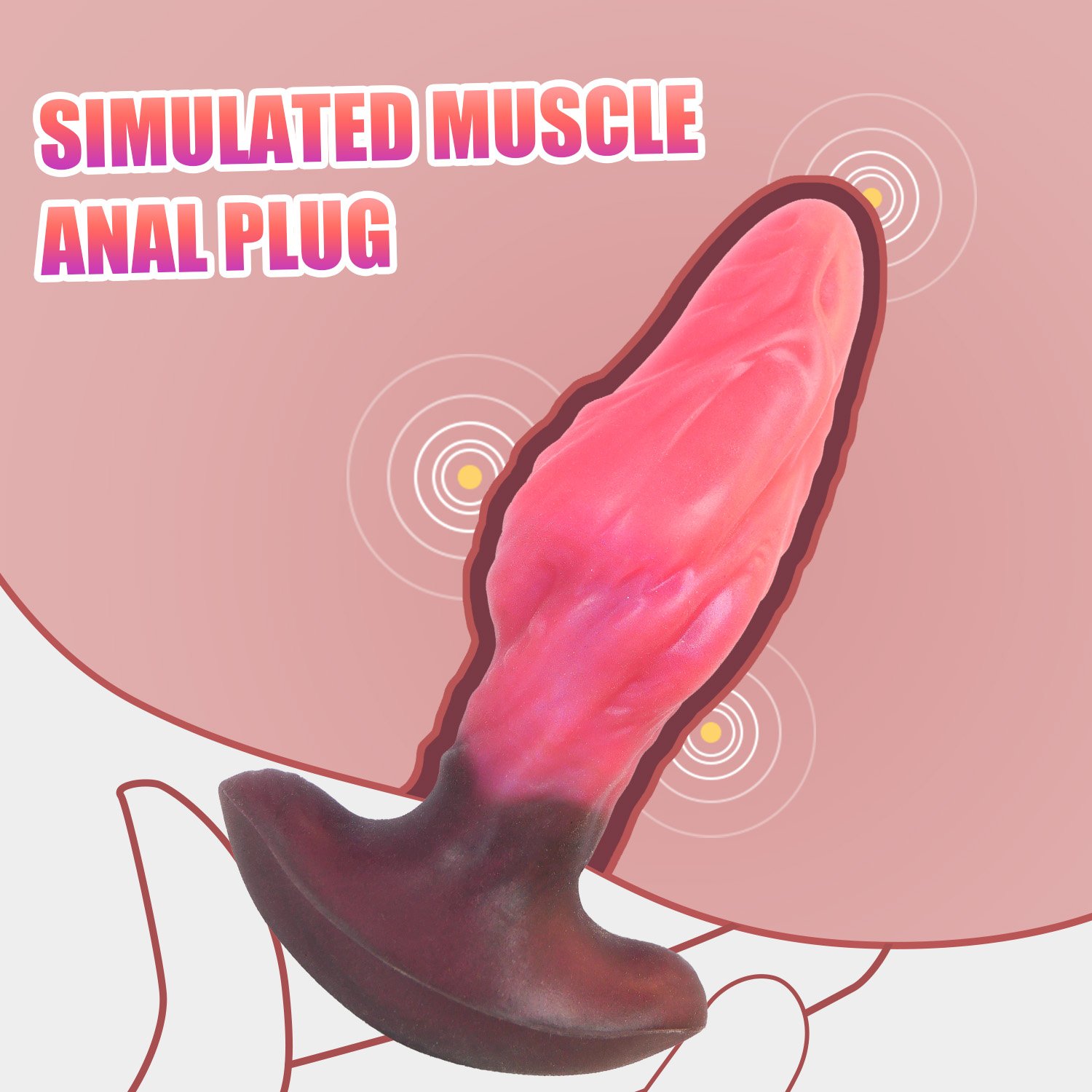
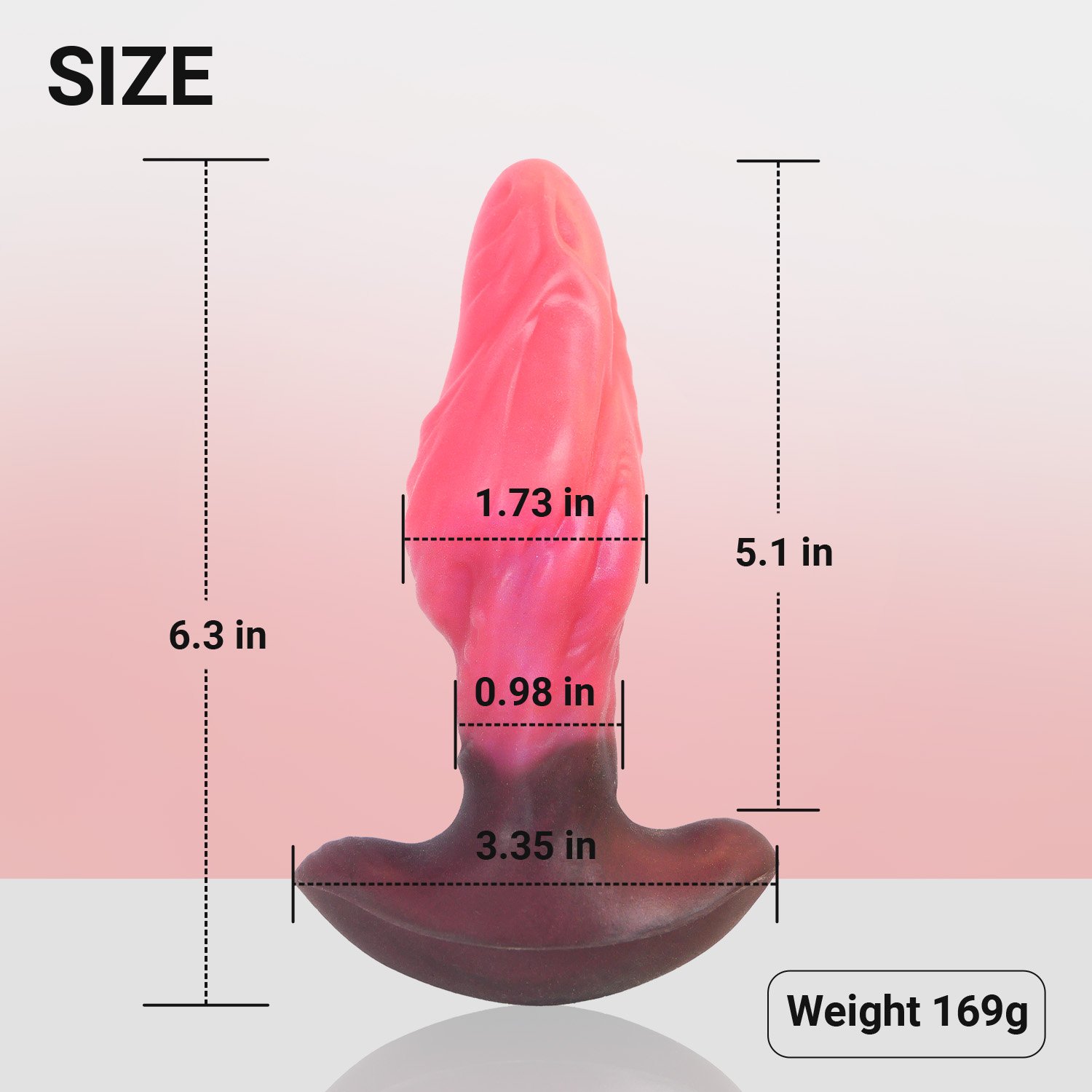
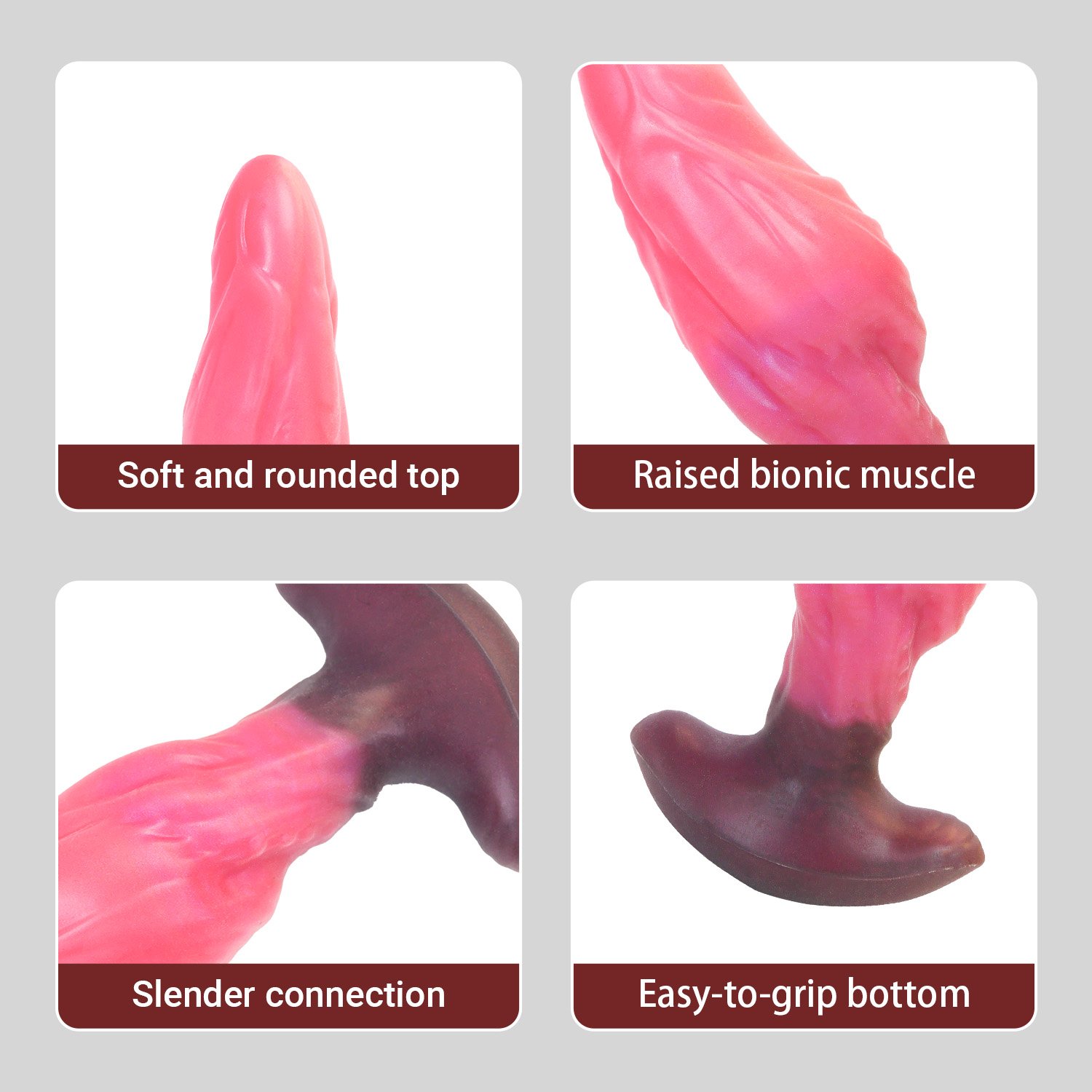
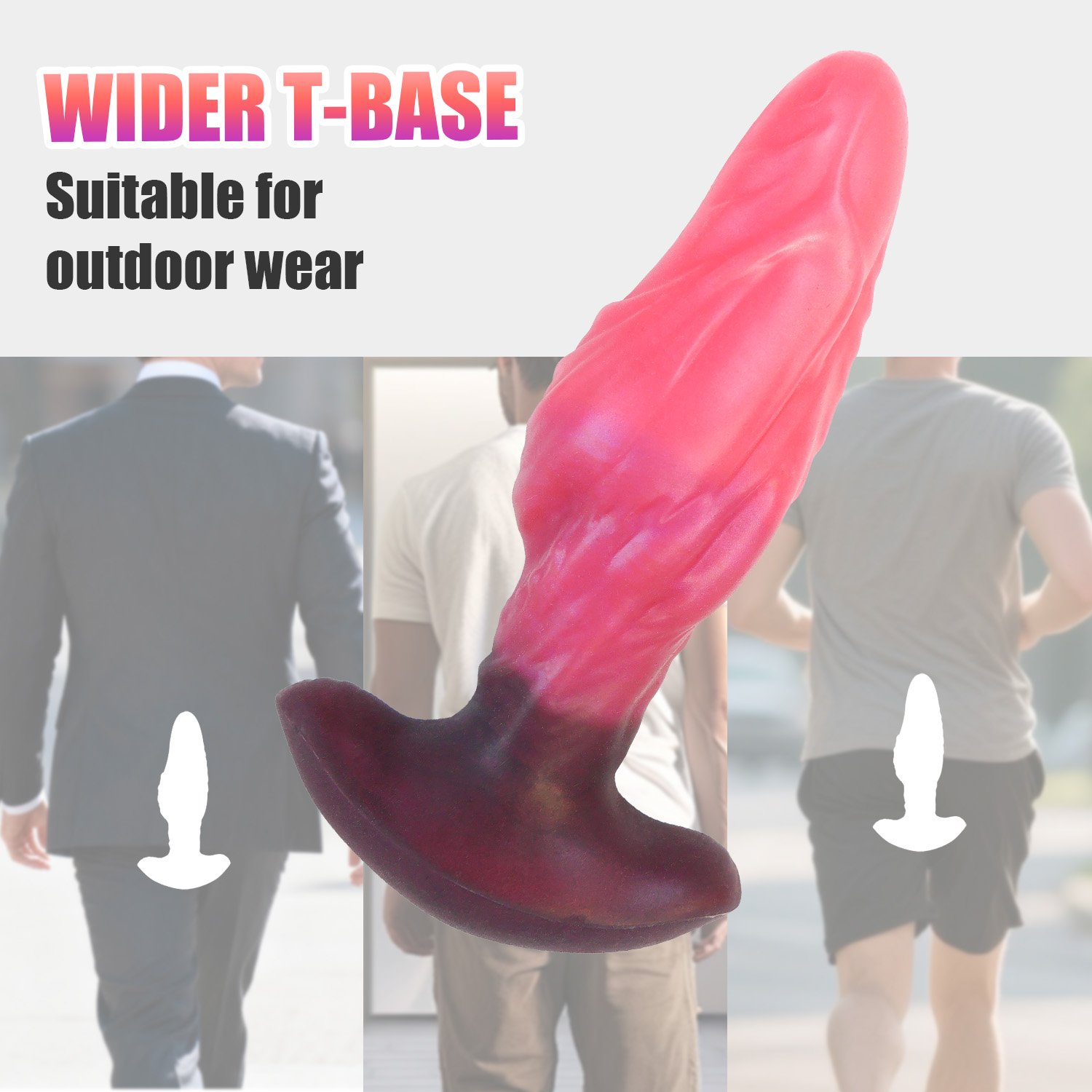
CLIMAGOHI ZY-SC11026 Rechargeable Silicone Anal Plug – Mixed Color
Original price was: $39.00.$22.80Current price is: $22.80.
SULTYCARE ZY-SC11026 Anal Plug is engineered for both beginners and experienced users seeking focused internal exploration and stimulation. Crafted from a single layer of blended liquid silicone

About author


Add comment