
No products in the cart.
Return To ShopDo you feel worried or scared during sex?

“I don’t think my boyfriend loves me at all. My best friends’ boyfriends have been ‘doing it’ from Christmas to New Year’s Eve, and I only told him I wanted it on New Year’s Eve, and he actually said he wanted to play video games because that night there was double experience points… I really don’t understand, aren’t men usually more sexually active than women?” Amy said.
Although I think “working from Christmas to New Year’s Eve” is a bit of an exaggeration, this isn’t the first time she’s complained that “her boyfriend has no sexual desire for her, and she feels upset and wants to cry.” Chloe, who also came to the New Year’s Day flag-raising ceremony, seemed perfectly normal. Seeing that she wasn’t saying anything, I asked her what she thought of Amy’s spicy remarks.
“That’s normal. Life isn’t just about sex. Sex is troublesome, and the return on investment isn’t high. Often, it takes a long time without any satisfaction. So later, I would tell my boyfriend that if he wanted to, he should just hurry up and finish quickly. Later, he also felt that he was just wasting his time, so he got his penis and right hand to help him take care of himself,” Chloe said, as if she were talking about sex like a daily routine.
In fact, the two of them are exactly opposite in personality. If your partner has a different personality from yours, you may argue about sex.
Personality Test
Do you know what kind of “personality” you have? Here, “personality” doesn’t refer to individuality (personality trait), but rather to your sexual characteristics. Are you a person with a high sex drive? (Oops, is this question too explicit?) Do you experience worry or fear during sex?
Recent research has found that our “sexual behavioral system” may be related to our feelings, attitudes, and experiences with sex, and may even be related to our anxieties in relationships.
Sex sounds like a “hot and exciting” experience, and people with high sexual satisfaction tend to have better relationships. However, not everyone’s experience is positive. Childhood experiences, uncomfortable past experiences, or emotional trauma can prevent them from enjoying sex after undressing. Some people start constantly changing partners, some develop an aversion to it, and some are “forced” into sex by their partners…
What about you? What does sex mean to you?
Before we continue, let’s use the following simple tests to see what type of person you are. Please choose the type that best describes you from the three paragraphs below.
A. During sex, I am usually able to respond to my partner’s needs very comfortably, and I don’t feel particularly awkward when discussing sexual topics (such as who should be on top later). The process is also quite comfortable, and I am willing to try and explore different “playing styles”.
B. Although I rarely tell others, I am actually a person with a very strong libido. I want “someone to want me,” and my partners all feel that my libido is stronger than theirs. Every time we have sex, I worry that I am not performing well enough, and I worry that he will not want to have sex with me again. So while we are having sex, I will ask him, “Are you feeling comfortable?” If his response is average, I will feel that I am doing a bad job.
C. To be honest, I find it difficult to experience satisfaction and pleasure during sex. Sometimes, I feel like I’m using a third-person perspective, not truly participating, and it often feels like I’m just going through the motions. “Sex” is probably a very low priority on my life’s to-do list. Sometimes I just want to finish sex quickly and go do other work.
While none of the three above may perfectly describe you, please choose the one that best represents you. Ready? Let’s find out!
Analyzing your three personality traits
In your past romantic or sexual experiences, you’ve generally been quite satisfied. Most of the time, you can discuss things well with your partner, and afterwards, you can both lie in bed feeling very happy. You’re a relatively secure person, not afraid of physical intimacy, capable of having stable sexual relationships, and you’re less worried about communicating with your partner about sex.
For you, sex may be an important way to maintain interpersonal relationships and social connections. You often have sexual fantasies (imagine yourself as a Dom or M), and you invest more time and money in your daily life trying to attract your partner. In relationships, you may lack security, fear abandonment, or dislike being too intimate with others. However, sometimes you may act overly controlling or force your partner to have sex with you. Of course, some people may skillfully use sarcasm: “Don’t you like my body anymore? Don’t you love me anymore? Otherwise, why won’t you have sex with me?” But no matter what method you use, it may put a lot of pressure on your partner.
You try to suppress your libido, or feel that you don’t really need sex. You usually only have sex when your partner forces you to. During sex, you often feel like an outsider and find it difficult to derive pleasure from it. Perhaps you have had some uncomfortable experiences in the past that have caused you to feel aversion and alienation from sex. Sometimes, you may even consciously or unconsciously avoid people or stimuli that excite you.
Personality and Attachment Style
Some readers might wonder at this point: are “desire-type” people anxious attachments and “indifferent-type” people avoidant attachments? The author mentions in the article that things may not be that simple. In this world, as long as you are insecurely attached in a relationship, you could indeed be either of these two types (meaning that scores for both types are positively correlated with avoidant and anxious attachments) 4—isn’t that the same as not saying anything at all?
Okay, I’m going to talk now:
1. Desiring type:
They could be anxiously attached individuals, because they are sometimes neurotic or have a negative view of themselves, so they worry about whether they are performing well enough in sex or have an extreme need for their partner’s approval; of course, they could also be avoidant individuals, who seem to have a high sex drive and are always changing casual sex partners, but in reality they just don’t want a stable and committed relationship.
2. Cooling type:
You might be an anxiously attached person who doesn’t want to have sex because they feel inadequate or fear disappointment. They prioritize work, saying sex isn’t important, but deep down they’re expressing negative self-views and distress. Alternatively, you might be an avoidant attached person who only reluctantly engages in sex when their partner expresses interest. While they may seem to dislike sex, they’re actually withdrawn due to a lack of intimacy with others. You tend to avoid discussing sex, even with your partner, and are less likely to use sex to resolve conflicts (post-argument sex).
In fact, both avoidant and anxious attachment are signs of insecurity. However, in matters of sex, this insecure system may operate in different ways—so when someone always says they don’t want it, it doesn’t necessarily mean they are an avoidant attachment person emotionally; and when you feel that someone always has a high sex drive, it doesn’t necessarily mean they are an anxious attachment person.
Of course, you might think, “Are there more men who are eager for attachment and women who are indifferent?” However, the study did not find any gender differences – regardless of gender, whether you are anxious or avoidant, you may be one of these two types.
If the sex you want isn’t the other person’s love
After all that, what if you and your partner have different expectations about sex? If you find it difficult to communicate effectively, perhaps you can make some small changes to your approach:
1. Rebuild a sense of security in the relationship:
As we learned from previous research, many of the dissatisfactions, frigidity, or anxieties during sex stem not from sex itself, but from a lack of security. I have written extensively on the topic of security in the past. If you would like to know how people with different attachment styles can get along, you can refer to the articles in this public account: “Attachment Theory Series”.
2. Do it yourself:
If you have a strong libido and a high level of desire, you can start by understanding and stimulating your own body. According to a Cosmopolitan study, at least for women, masturbation is easier to achieve than intercourse itself because it’s your own body, and you naturally know where the “hot spots” are. Mah and Binik believe that orgasm is a very complex thing, involving cognition, emotion, physiology, psychology, and the state of the relationship between two people. If masturbation can achieve a similar effect, it seems like an option.
In reality, whether it’s love or sex, what we often lack is simply lubrication, a well-received communication, and a caring understanding that says, “I know you and I think differently, but because I love you, we can understand each other.” When arguing, many couples take a break to cool down, while others try to calm down by writing in a journal, exercising, or doing something they enjoy. If our relationships need this kind of lubrication, then besides communication, wouldn’t you be willing to try different approaches to address discomfort in your sex life?
Don’t forget that
sexual satisfaction and relationship satisfaction are two-way —when you have a good relationship, you usually enjoy sex more and more; and when you can enjoy sex, your feelings may also be different from before.
Product on sale
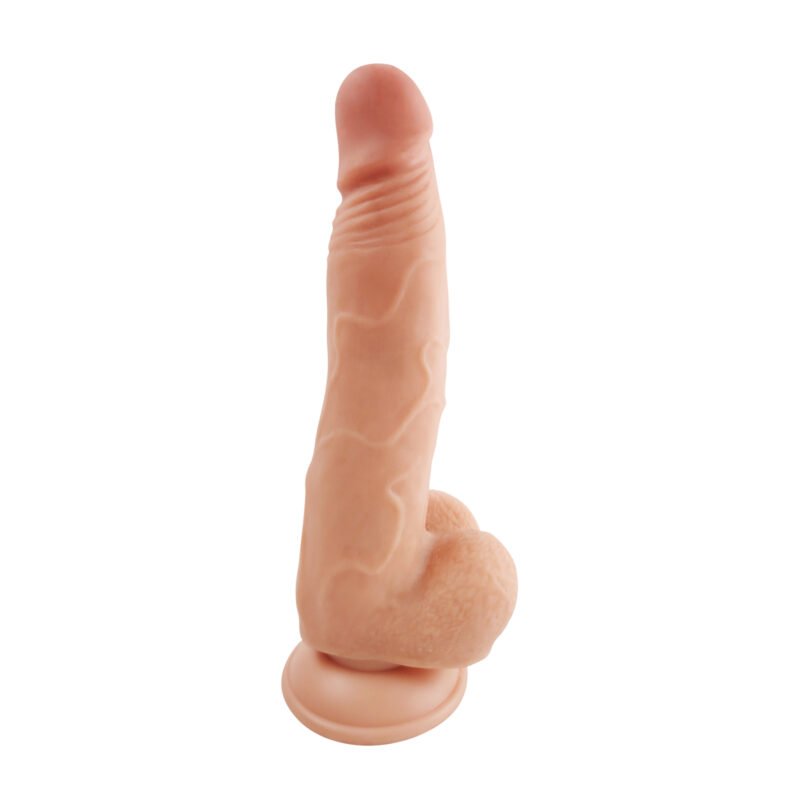
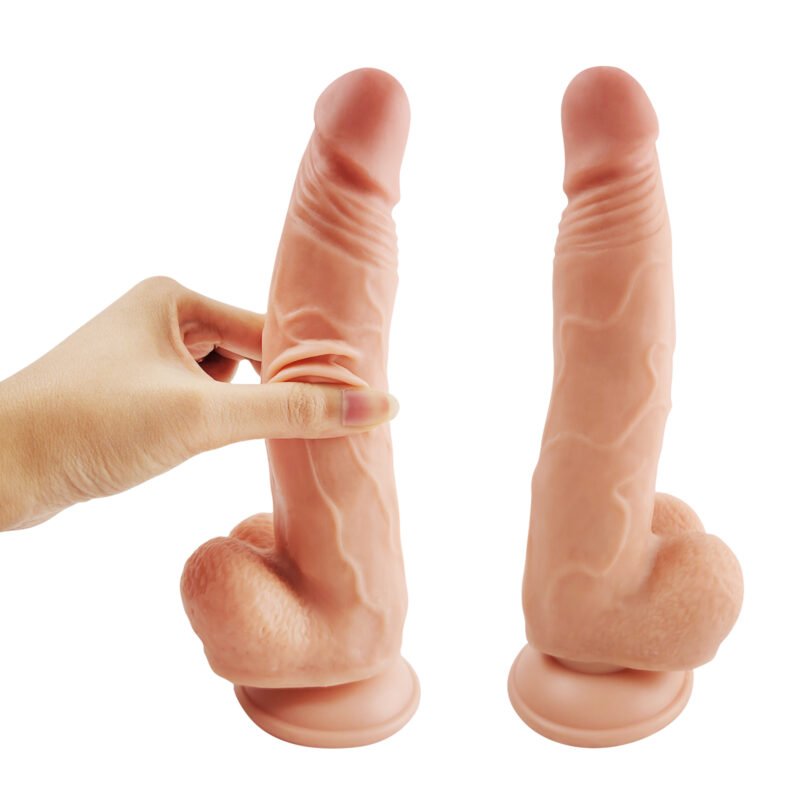
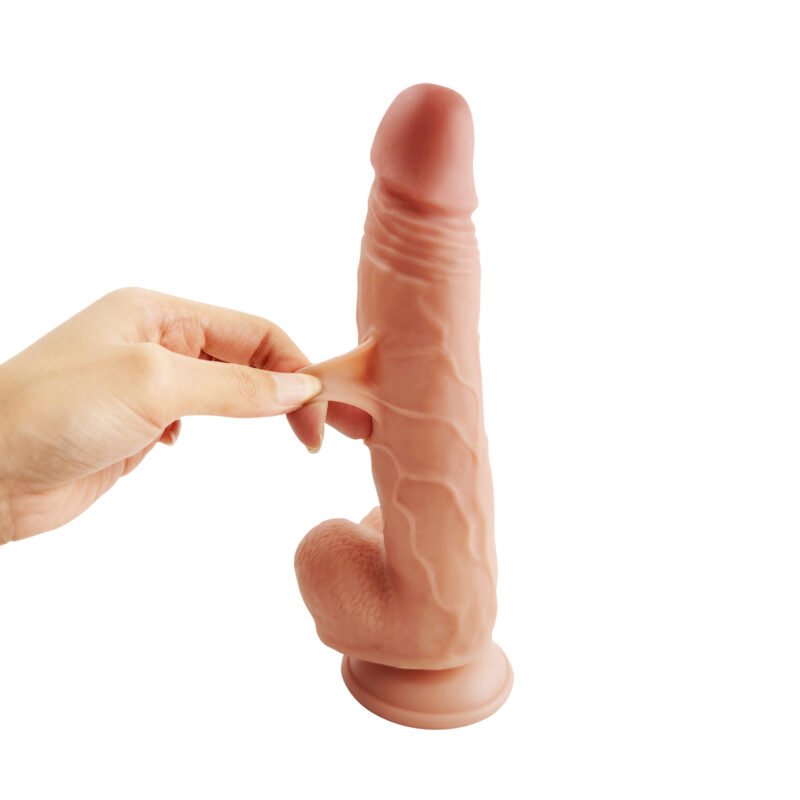
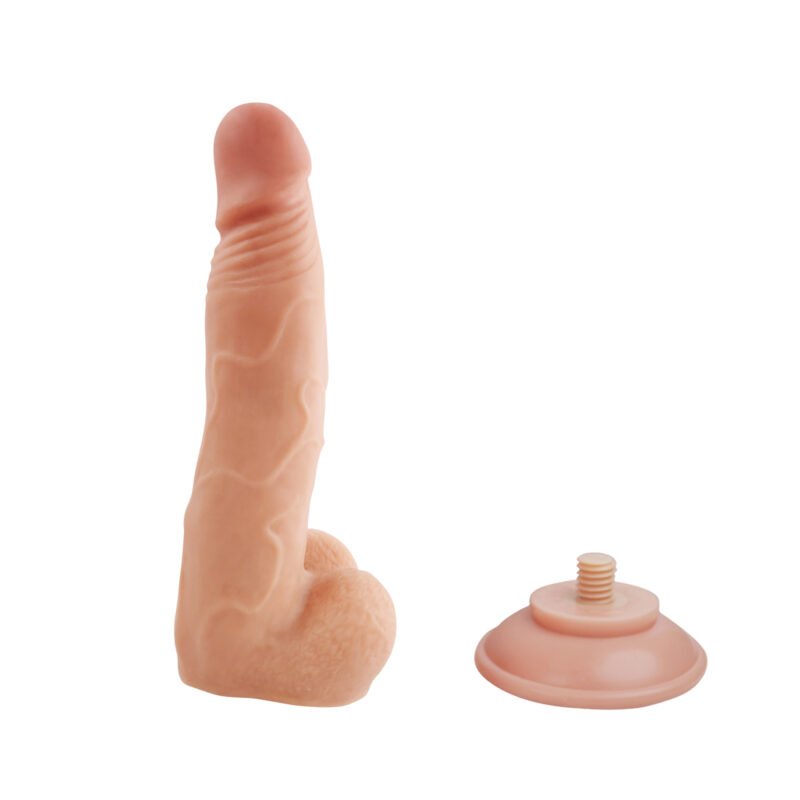
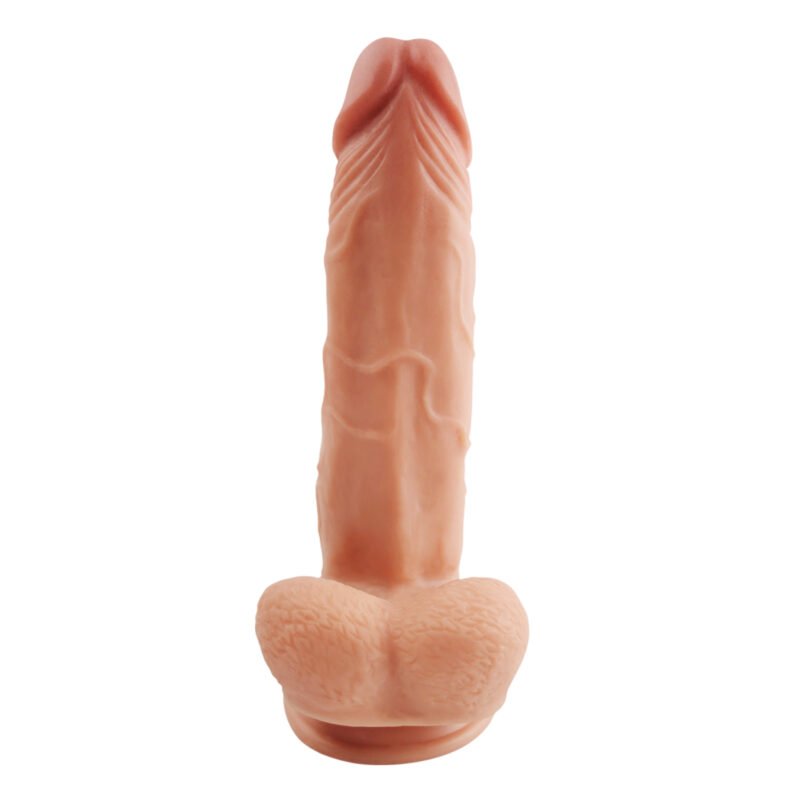
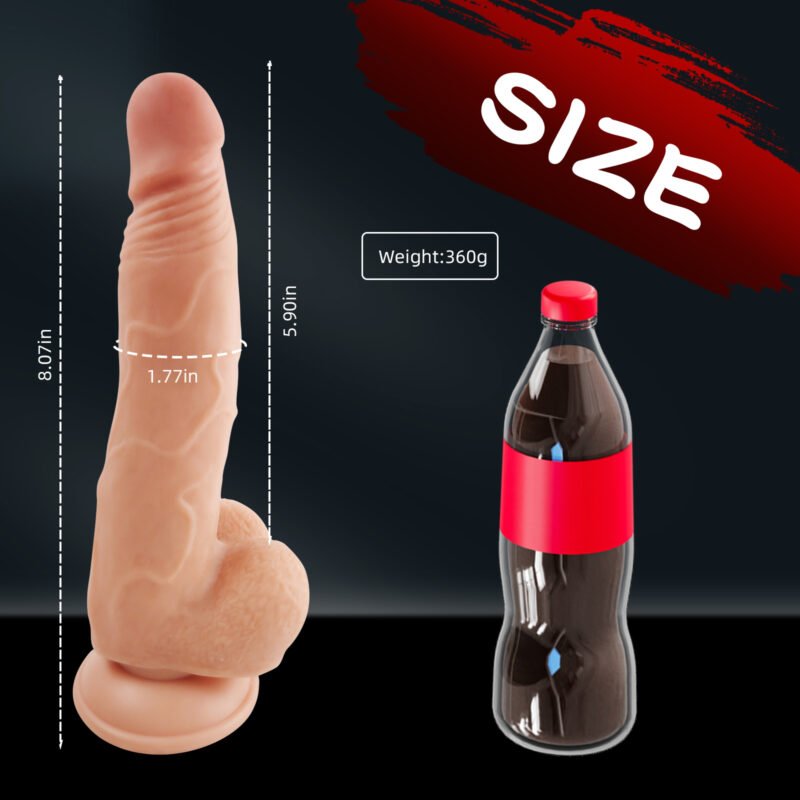
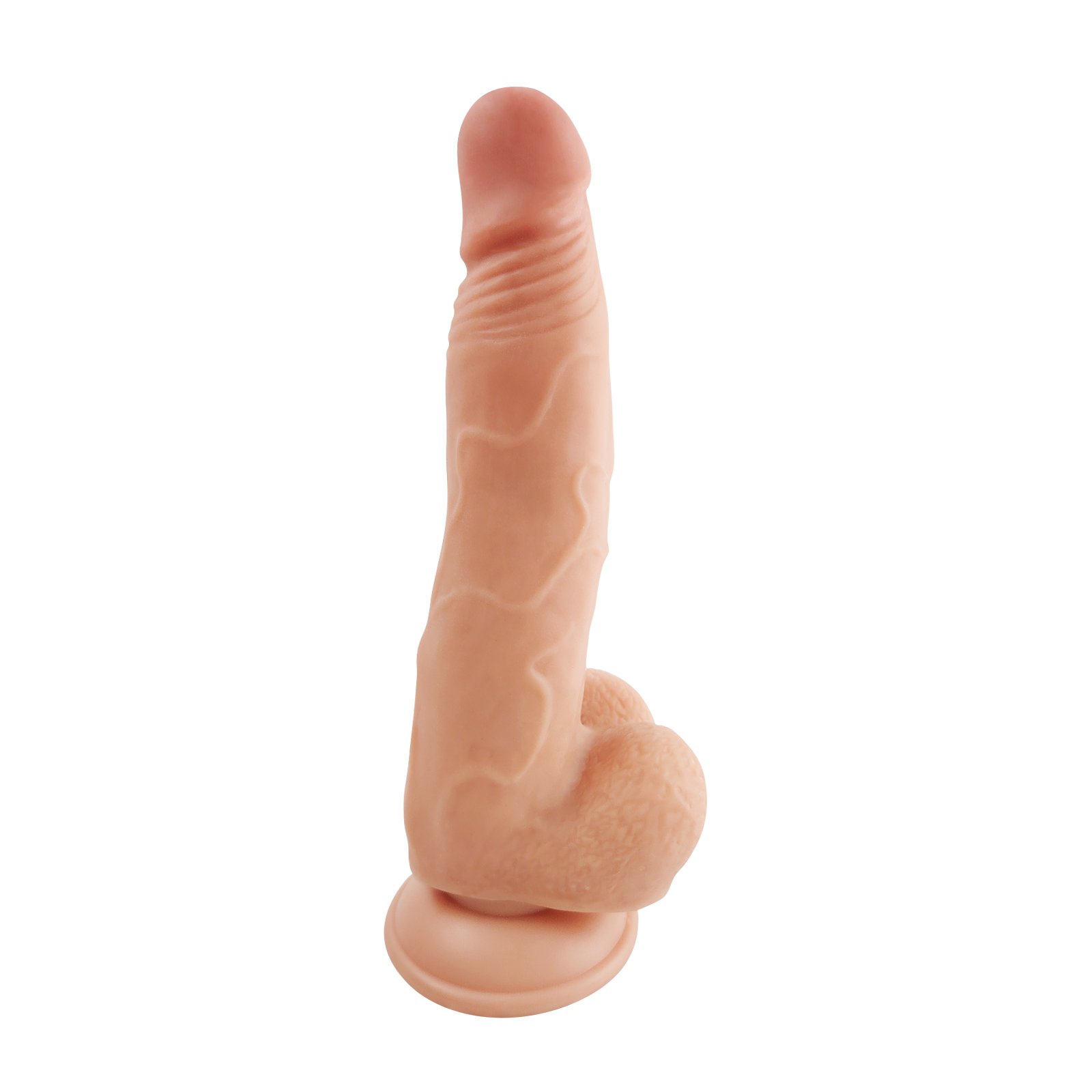
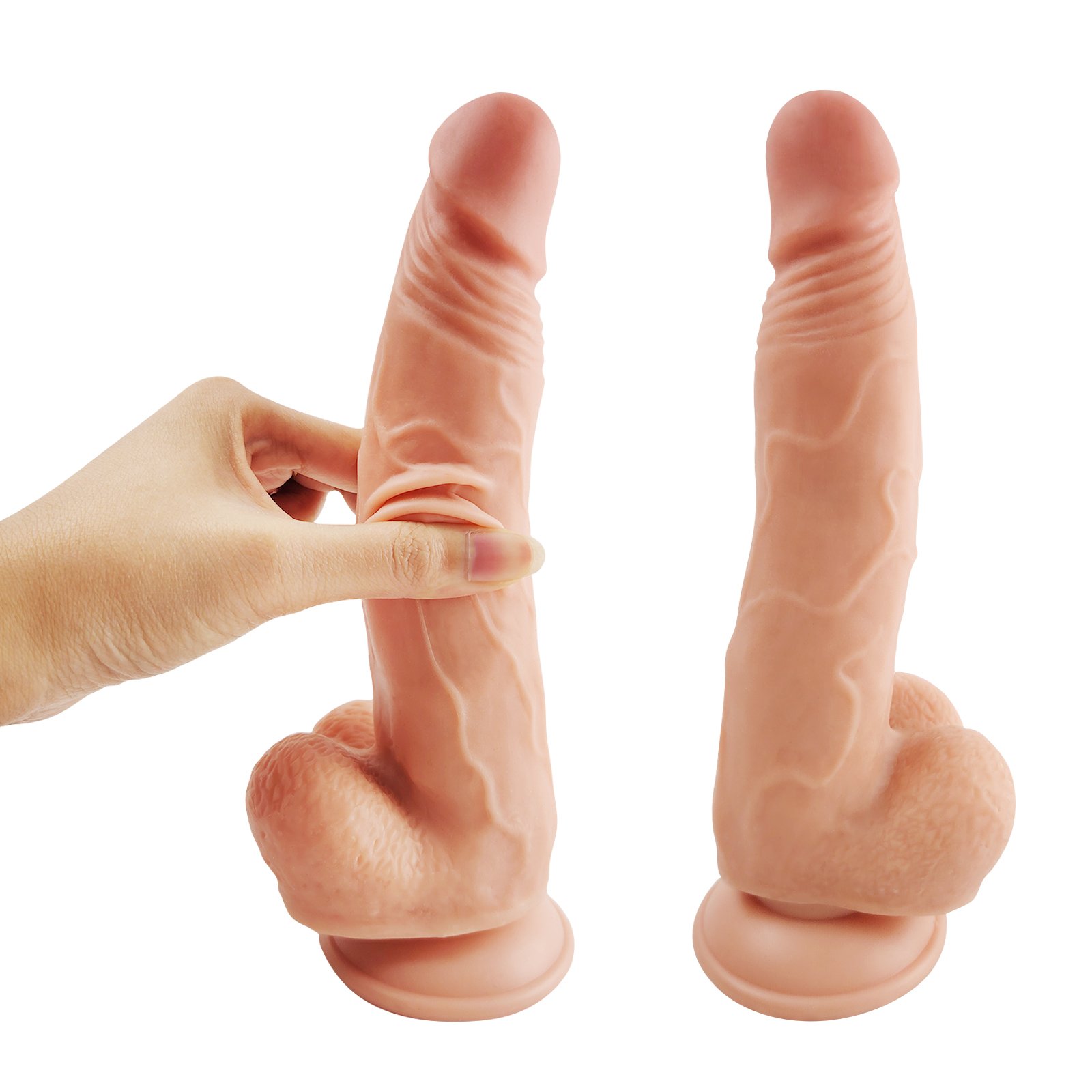
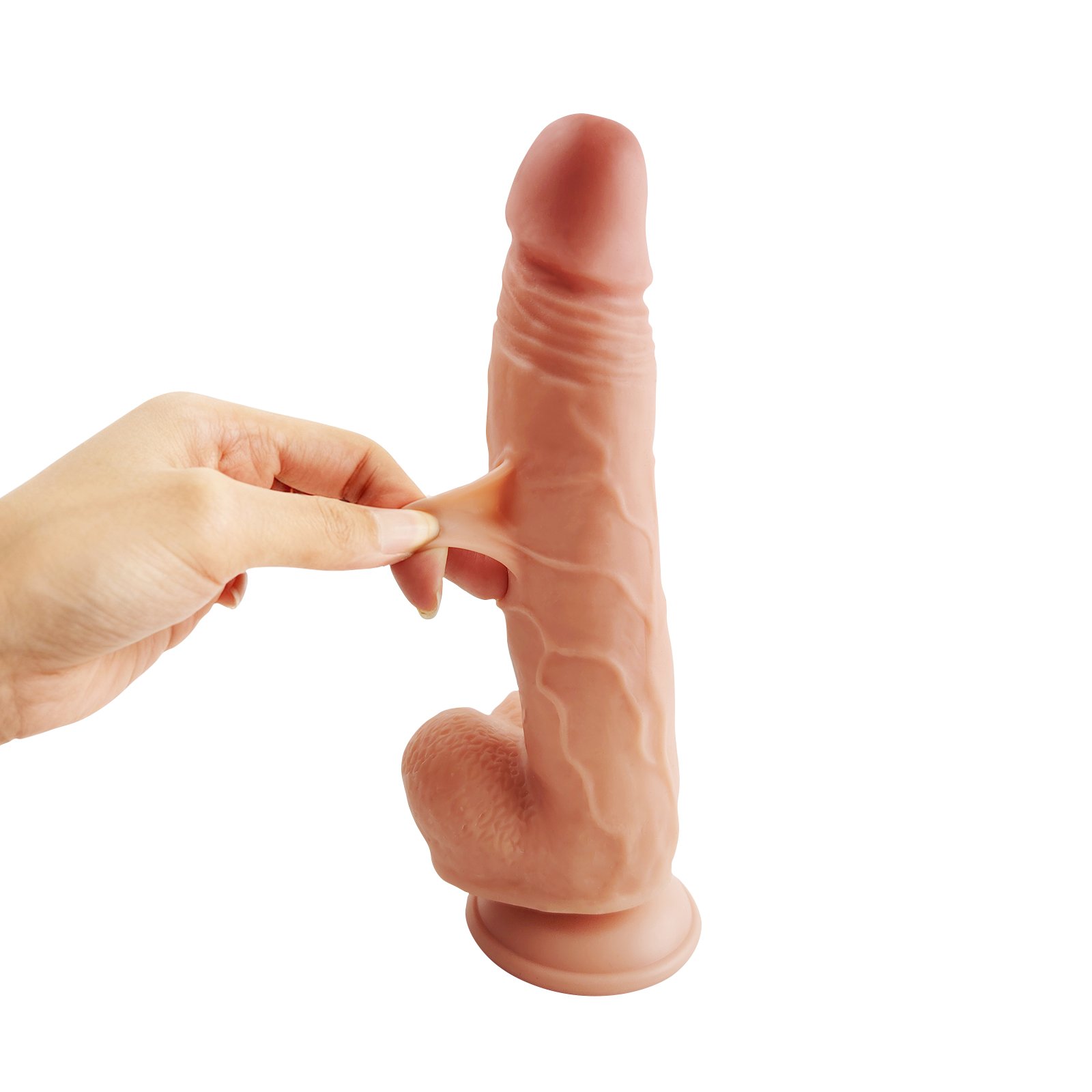
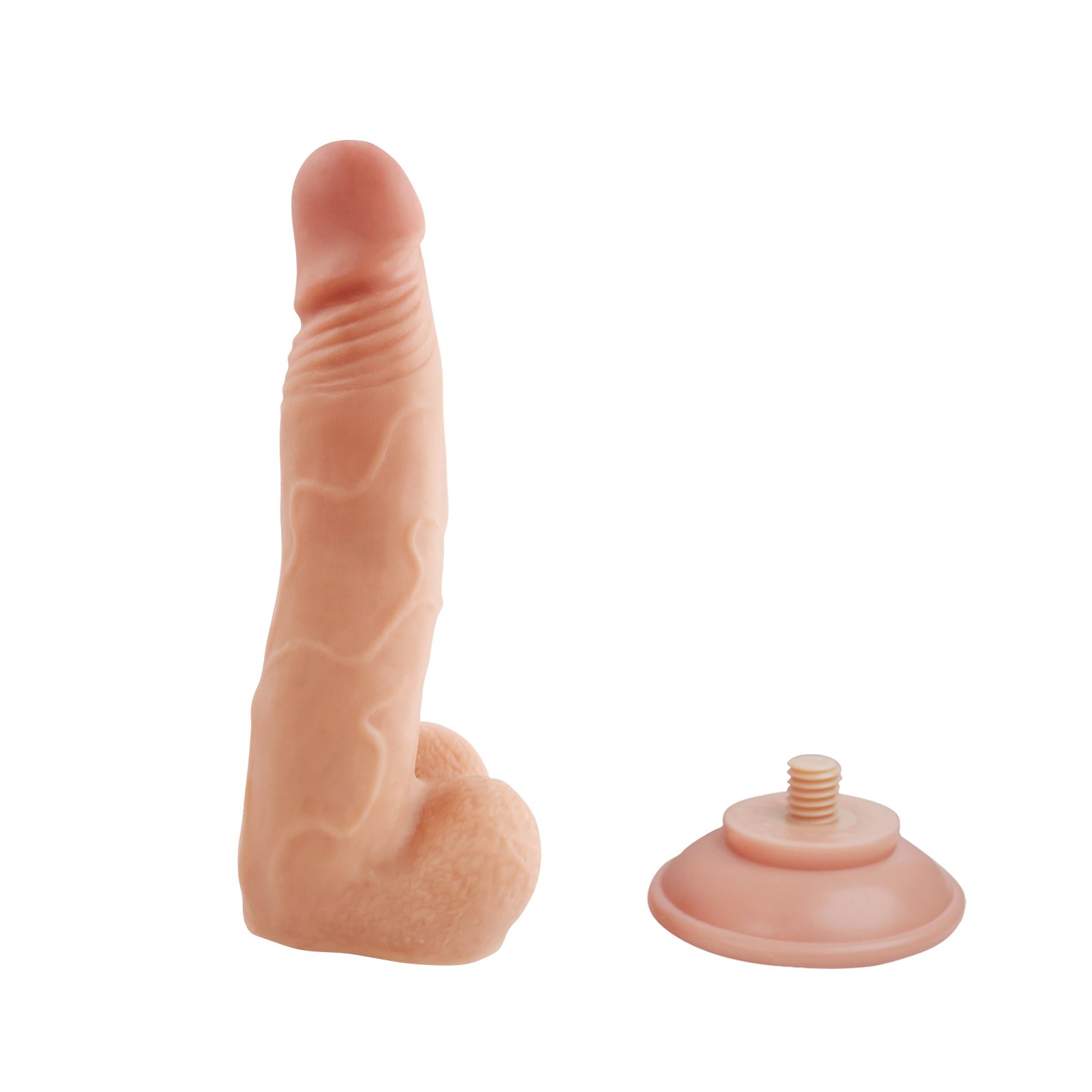
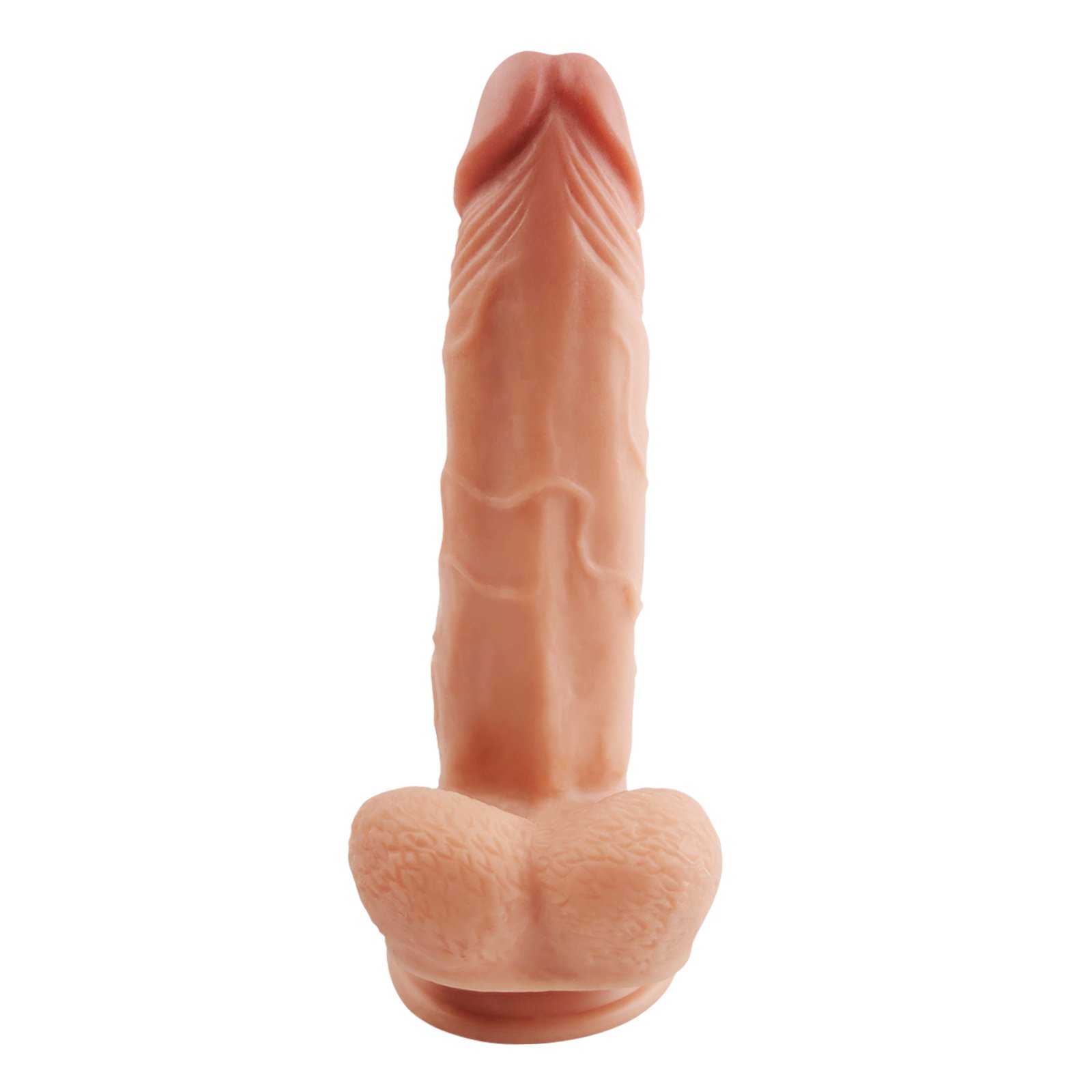
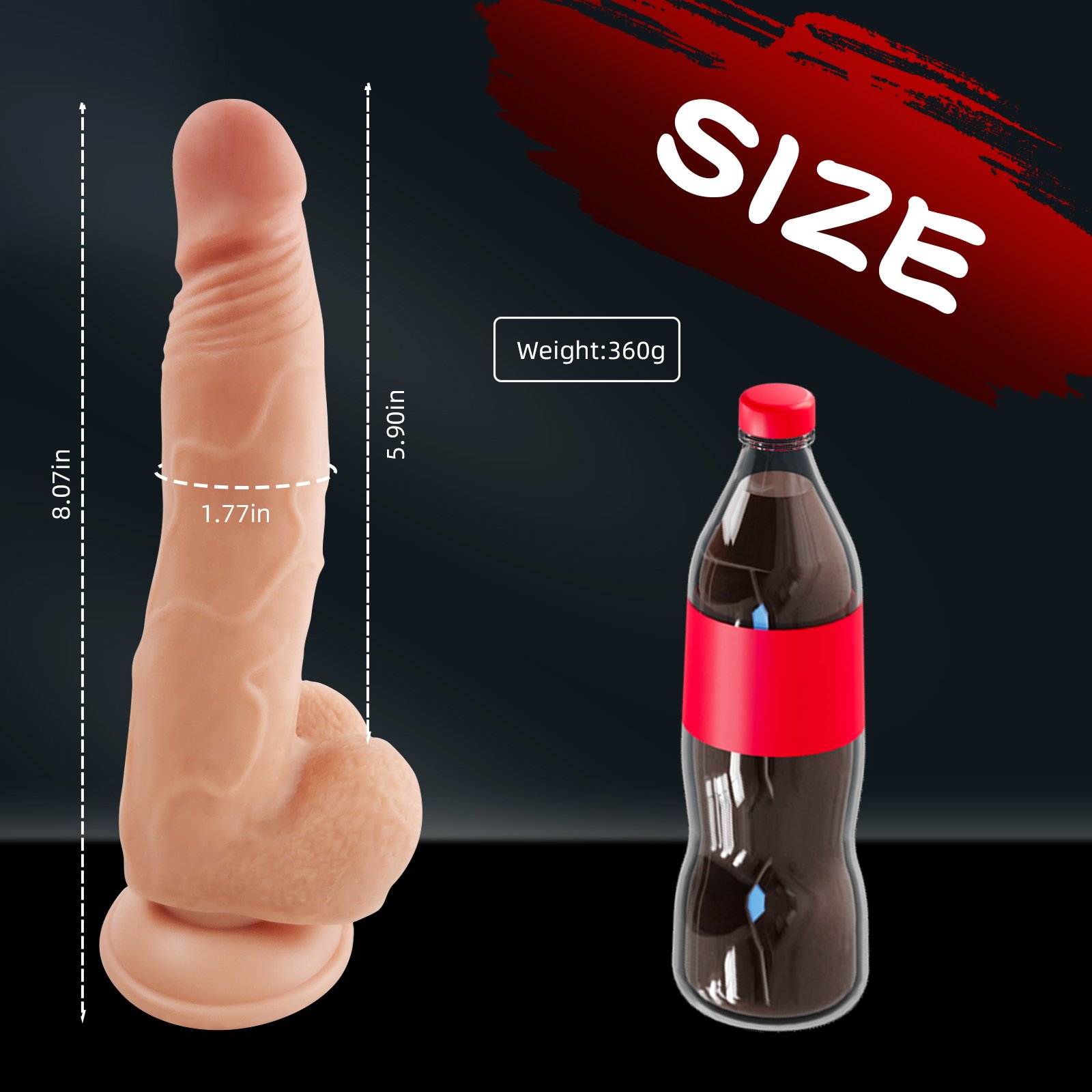
CLIMAGOHI Realistic Poseable TPE Didols with Detachable Suction Base – Large Size ZY-SC11055
Original price was: $35.00.$28.90Current price is: $28.90.
[SULTRYCARE] Poseable TPE Body Massager (Didols) – Lifelike Skin Feel – Detachable Suction Base – 6.3 in Insertable – M Size ZY-SC11054

About author


Add comment