
No products in the cart.
Return To ShopResearch: Men Who Eat More Garlic Are More Attractive to Women

China OEM adult toy manufacturer
China custom sex toy manufacturer
China realistic dildo manufacturer
China adult toy supplier for brand
- Studies have found that men who eat more garlic are more attractive to women.
- Study: Pink beverages help improve athletic performance compared to clear beverages.
- IpsiHand becomes the first FDA-approved brain-computer interface device for stroke rehabilitation.
01
Studies have found that men who eat more garlic are more attractive to women.
“Eating noodles without garlic reduces nutrition by half,” goes a saying in northern China. In China, garlic, a widely used condiment, is not only highly nutritious but also has a fan base due to its aroma, although many people dislike its smell. If we disregard the bad breath it causes, garlic can actually enhance a man’s attractiveness to women. Recently, a research team from the University of Stirling in the UK and Charles University in Prague, Czech Republic, published a new research report on garlic, mainly focusing on how men who eat or don’t eat garlic are more attractive to women.
To this end, they recruited 42 male volunteers and compared the results of eating raw garlic, eating garlic capsules, and not eating garlic. The attractiveness was determined by 82 female volunteers, who were asked to smell the collected male odor samples and rate them based on the intensity, masculinity, attractiveness, and pleasure of the odor.The study found that men need to eat a sufficient amount of garlic to potentially increase their attractiveness; 6 grams of garlic is equivalent to 2 cloves. Eating it with bread and cheese has virtually no difference in results compared to eating only bread and cheese.However, if the amount of garlic is increased to 12 grams, or four cloves, men smell more attractive than when they haven’t eaten garlic.If you’re worried about bad breath from eating raw garlic, you can try garlic capsules; the results are similar, and they still help improve attractiveness.
02
Study: Pink beverages help improve athletic performance compared to clear beverages.
A recent study led by the University of Westminster’s Centre for Nutrition suggests that pink beverages can help people run faster and farther during exercise compared to some common clear drinks. Researchers at the Acting Project found that pink drinks can improve athletic performance by 4.4% and also increase a “feel-good” effect, making exercise seem easier.
This study, published in the journal Frontiers in Nutrition, is the first survey to assess the impact of beverage color on athletic performance. This research is likely to open up a new direction for future research in sports drinks and the field of sports.In the study, participants were asked to run on a treadmill at the same speed for 30 minutes to ensure a consistent pace. During the experiment, participants rinsed their mouths with either a low-calorie pink artificially sweetened beverage or a clear, identical beverage.The two drinks were identical except for their color. Researchers added food coloring to the pink drink to change its color. They chose pink because it is associated with perceived sweetness, thus increasing expectations of sugar and carbohydrate intake.
Some previous studies have also shown that rinsing with carbohydrates can improve athletic performance by reducing perceived intensity of exercise. Therefore, researchers wanted to evaluate whether rinsing with a pink beverage without carbohydrate stimulation could cause similar benefits through a potential placebo effect.The results showed that after using the pink beverage, participants ran an average of 212 meters more, and their average speed in exercise tests also increased by 4.4%. Feelings of pleasure were also enhanced, meaning participants found running more enjoyable. Further exploratory research is needed to determine whether the proposed placebo effect leads to similar activation in the brain’s reward regions, which is commonly reported when rinsing with carbohydrates.
Speaking about the study, Dr. Sanjoy Deb, the corresponding author of the paper from the University of Westminster, said: “The effects of color on athletic performance have been studied in the past, from its impact on athletes’ equipment to its effects on testosterone and muscle strength. Similarly, the role of color in food has received extensive attention, and studies on how visual cues or color influence subsequent taste perception during eating and drinking have been published.””Our findings combine culinary art with performance nutrition because the addition of pink coloring to artificially sweetened solutions not only enhances the perception of sweetness but also improves feelings of pleasure, self-selected running speed, and distance traveled during a run.”
03
IpsiHand becomes the first FDA-approved brain-computer interface device for stroke rehabilitation.
A new device designed to help stroke patients regain wrist and hand function has been approved by the U.S. Food and Drug Administration (FDA). The system, called IpsiHand , is the first brain-computer interface (BCI) device to receive FDA market approval.
The IpsiHand device consists of two separate parts—a wireless exoskeleton placed on the wrist and a small head-mounted device that records brain activity using non-invasive electroencephalography (EEG) electrodes. The system is based on a discovery made more than a decade ago by Eric Leuthardt and colleagues at the University of Washington School of Medicine.As we know, each side of the brain controls the movement of the other side of the body. Therefore, if a stroke damages the motor function of the right side of the brain, the movement of a person’s left side will be affected.Leuthardt and his team’s 2008 findings showed that signals for body movement can be detected on the same side of the brain, but these signals become ineffective when the other side of the brain, which is actually responsible for performing the movement, is damaged. This specific type of brain activity is known as ipsilateral brain signaling.The idea behind the new BCI device is to find a way to detect these ipsilateral signals and use them to control an electronic hand support. In 2017, researchers demonstrated how patients using the device for 12 weeks in the context of rehabilitation experienced significant improvements in some degree of motor function by essentially retraining their brains to communicate with their hands.
“Generally speaking, any motor impairment that a patient develops six months after a stroke is considered permanent,” says Leuthardt, who co-founded Neurolutions in 2007 to commercialize the technology. “What we found with this device is that many patients experience meaningful improvements in upper limb movement that we didn’t expect them to. This is actually not true for any current stroke treatment aimed at restoring function after the initial recovery period.”The FDA’s market authorization for the IpsiHand device marks the first time such a brain-computer interface device has been approved for clinical use in the United States. The approval was primarily based on clinical trial data showing significant improvements in motor function after 12 weeks of use, approximately five times a week, for at least 10 minutes a day.IpsiHand is not yet available to patients, but Neurolutions is beginning to commercialize the device and aims to make it clinically available later in 2021.Leuthardt said, “It’s exciting to say that this is the first brain-computer interface device approved by the FDA for rehabilitation. There has been a long struggle to transform brain-computer interface devices from an experimental technology into something that can truly help patients. With this, we show that brain-computer interface devices can finally enter their golden age. I sincerely hope that more such devices will appear in the future.”
share in github.com.
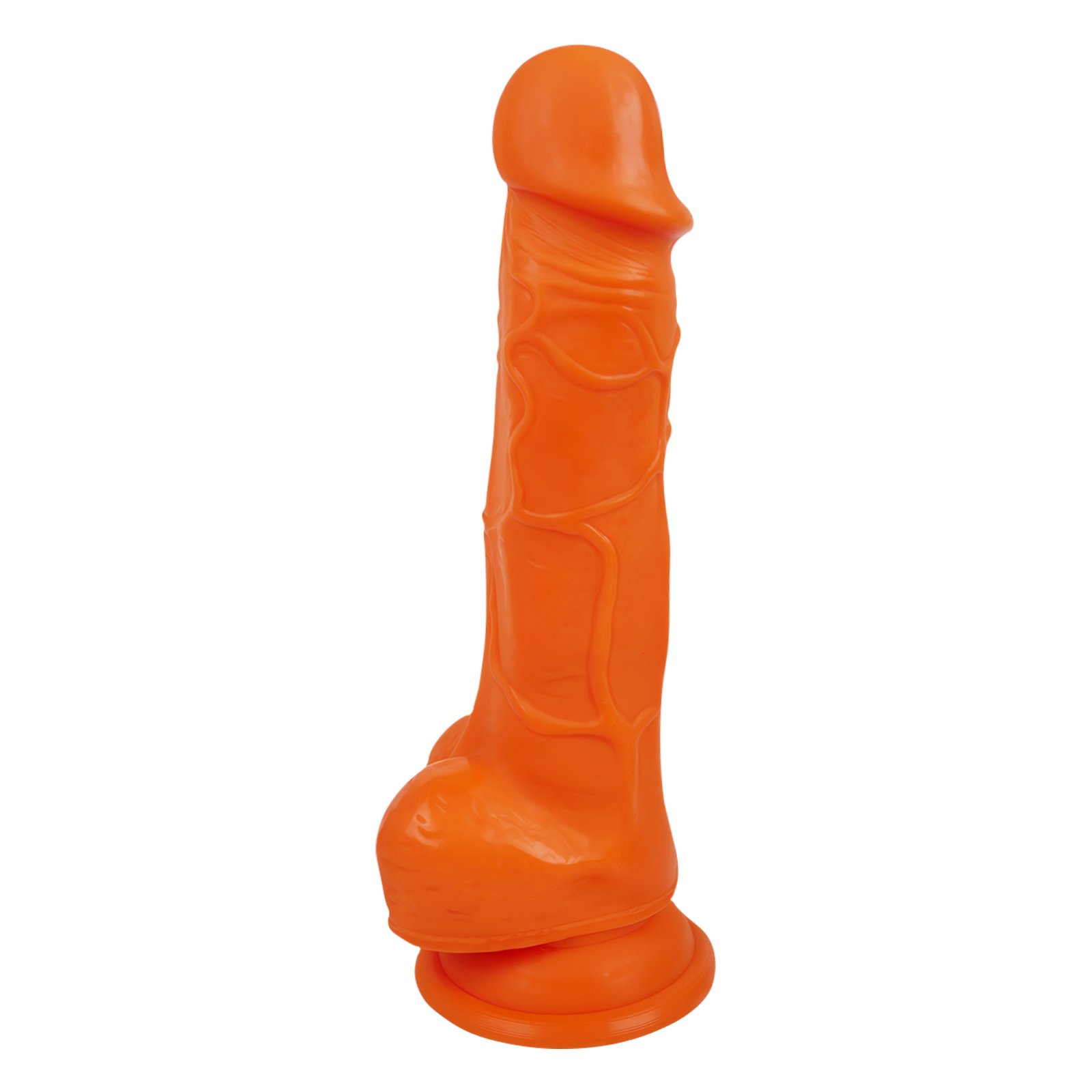
CLIMAGOHI Dual-Layer Silicone Suction Base Massager – M Size ZY-SC11040
Original price was: $59.00.$28.80Current price is: $28.80.
[SULTRYCARE] Medium Size Dual-Layer Silicone Internal Massager – Integrated Strong Suction Base – 4.9 in Insertable – Flexible & Soft Feel ZY-SC11040

About author


Add comment