
No products in the cart.
Return To ShopDo You Have a Healthy Relationship With Sex?
China OEM adult toy manufacturer
China custom sex toy manufacturer
China realistic dildo manufacturer
China adult toy supplier for brand
I used to be a sex addict, or rather, I had a ” sexual impulse control disorder “.
For me in the past, this was not a topic that was easy to talk about.
It started around the age of sixteen. I remember that at that age, my classmates were reading romance novels that made girls’ hearts flutter, but I had already started browsing all kinds of erotic literature on my phone.
I even watch it during class.
At first, I just read novels and browsed pictures, but gradually those things no longer satisfied me. I started looking for toys, but I didn’t dare buy them myself, so I inserted many strange things into my body. Looking back now, I feel fortunate that it didn’t cause too much harm to my body.
Having endured the oppressive atmosphere of high school, I welcomed the freedom of university. During my freshman year, I met my first boyfriend, but the relationship ended quickly because he thought I was too promiscuous, and I was powerless to refute him.
After the breakup, I was depressed for a long time and completely fell into a state of self-abandonment. I started dating, having one-night stands with all sorts of men in bars, and I couldn’t live without sex.
At this point, you might think it must be “exciting,” but actually, it wasn’t . I experienced more pain than pleasure. I couldn’t enjoy much during sex, unlike those who truly enjoy sex and can fully immerse themselves in the physical sensations.
Many times, I feel like I’m a dirty person; I feel disgusted by the things I see, but my body is satisfied; my goal is just to orgasm, but my pleasure threshold keeps getting higher and higher, and after the pleasure, all I feel is emptiness and alienation from myself.
During those years, I had no self-acceptance. All I could think about was, what is the point of living for someone like me?
So, in a state of extreme depression, during the first semester of my sophomore year, I considered taking a leave of absence due to depression.
My parents, both civil servants, considered depression a “mental illness” that made them feel ashamed, and they strongly opposed my decision to suspend my studies. The final negotiation resulted in me agreeing to suspend my studies, but only if I applied to transfer to another school abroad during that period, so they could save face. If they couldn’t afford the transfer, I could return to my original school once my depression subsided.
So I ended up writing “studying abroad” as the reason on my leave of absence application, instead of “depression”.
One of the main reasons I agreed to their conditions was that I wanted to get away from them.
I went to the hospital to get my medication by myself, took it, applied to schools through an agency, and successfully enrolled for the following September. While my parents were posting on social media bragging about how capable their daughter was, I was cutting my arm with a knife during a depressive episode.
Looking back now, I am still grateful to that version of myself who, even when tormented by depression, was still able to grit my teeth and take the exam and apply for the job.
It wasn’t until my first year in the UK that I truly began receiving systematic psychological counseling.
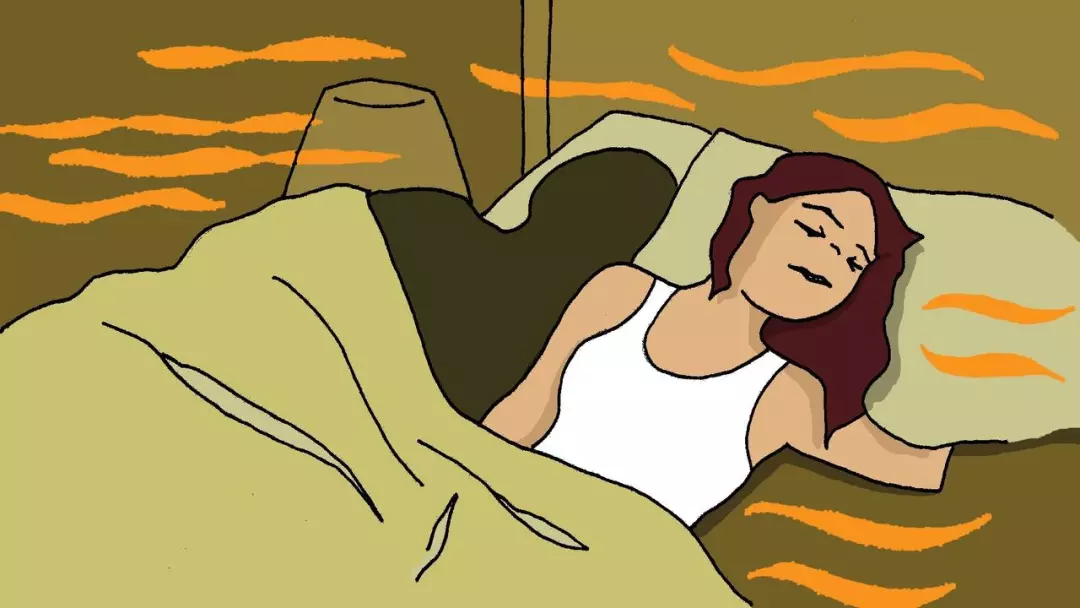
At that time, depression and sex addiction were still tormenting me. I used toys to satisfy myself, I went to bars to find one-night stands, and I often woke up in my hotel bed tormented by repressed emotions, feeling like I was about to die, and then continued to indulge in the pleasure of lust.
The psychological counseling started out very routinely, but I was lucky enough to meet an excellent therapist who allowed me to gradually let down my guard, share my life experiences, and even eventually bring up my sex addiction.
And it was in that counseling room that I finally understood, forgave, and accepted myself.
I told my therapist about my unhappy childhood: my father who was often away from home and very distant; my mother who was very strict and controlling; and the experience of almost being molested by my father’s colleague when I was a child. Fortunately, my father was transferred to another job and moved with us.
Later, when discussing my views on sex, I described it as follows: more than pleasure, I sought the escape of that moment of climax. But that was mentally devastating. I couldn’t accept my own promiscuity, couldn’t accept my inability to break free from sex, couldn’t accept the immense self-loathing and loneliness I felt afterward each time…
Each in-depth conversation was also a process of self-understanding. It was through my therapist that I first heard the concept of “sexual impulse control disorder” and learned how much my family of origin had influenced me. Data shows that 60% of sex addicts were abused in childhood , and most of them, like me, came from families lacking proper intimate relationships. Everything has a reason.
At his suggestion, I began more targeted psychotherapy.
I joined a support group where everyone was a sex addict, sharing their experiences. Perhaps because everyone’s situation was similar, I didn’t feel ashamed in the group, and I even made a few friends. We exercised together and reminded each other to avoid watching sexually suggestive content.
It was during my treatment that I met my current boyfriend. He is British and we studied the same major, except he did his master’s degree while I did my bachelor’s.
In the first few months of our relationship, I was terrified that he would find out I had a sex addiction, so I tried my best to avoid having sex with him, worried that I would be too “passionate”; I was also worried that he would find out that I was participating in such a support group, so I stopped attending the weekly group meetings.
Fortunately, he is truly the most patient guy I’ve ever met, always understanding and forgiving. My friends from the group also contacted me, encouraging me to clarify everything with my boyfriend, since love shouldn’t be built on lies.
I hesitated for a long time, but through a drunken slip of the tongue, I confessed to him that if he couldn’t accept it, breaking up wouldn’t matter.
He was actually stunned for a moment when he heard what I said. Just when I thought another relationship was about to end, he hugged me and said he felt very sorry for me.
That day marked the turning point when my condition truly began to improve.
Nearly two years have passed, and I am still participating in the mutual aid group, only this time it is to help those who came after me.
I once read this passage in an article: ” Sex addiction is essentially a powerless struggle to cover up emotional and memory trauma. One sex addict said: ‘I know only normal, positive love can save me. ‘”
That fellow patient was right. For us sex addicts, frantic sex is a way to escape reality, to cover up emotional trauma, and to forget our loneliness. But truly positive and uplifting relationships are always a form of salvation.
Now, I can finally combine sex with love and enjoy sexual experiences with the person I’ve chosen, instead of using sex as a way to escape.
I rarely see stories about female sex addicts. Perhaps because we live in a society that avoids talking about sex, few people are willing to share their experiences.
Or rather, it’s often only men who openly admit to being overly addicted to sex. Women, facing even stricter societal expectations, seem ashamed to speak out and lack self-acceptance.
But not speaking out about the problem doesn’t mean the problem doesn’t exist.
Knowing and accepting oneself is something we need to do throughout our lives.
mutual encouragement.

CLIMAGOHI 3-in-1 Mini Suction Vibrator with Heating & Tapping | Compact Clitoral Sucking Toy for Women Self-Care ZY-SC11016
Original price was: $60.00.$48.80Current price is: $48.80.
【3-in-1 Multifunctional Pleasure】 Experience ultimate versatility. This device combines three unique functions in one compact body: powerful Vibration for deep stimulation, intense Suction at the dedicated port for thrilling sensations, and a unique Tapping (Pulsing) mode for a completely new layer of pleasure.

About author


Add comment