
No products in the cart.
Return To Shop“How Regular Exercise Affects Women’s Hormonal Health and Energy Levels”
China OEM adult toy manufacturer
China custom sex toy manufacturer
China realistic dildo manufacturer
China adult toy supplier for brand
A few years ago, I was invited to write an article about sex and sports for *Observer Sports*. During the 2008 Beijing Olympics, the media sensationalized how many boxes of condoms were provided to athletes aroused by the intense competition. Was this a seductive urban myth, or was there some truth to it? An anonymous British sprinter revealed that the corridors were packed with girls waiting for male athletes to finish their races and have one-night stands with them.
Interestingly, he also talked about his female teammates: “Some girls said they couldn’t compete unless they had sex the night before the competition. One girl told me that she felt lighter and more satisfied and comfortable after having sex.”
I need to find a female athlete to ask whether those claims are all urban myths or if there’s some truth to them. But how many female athletes actually talk to reporters about their sex lives?
If there’s one woman you can ask anything, it’s probably Kelly Sutherton, the heptathlon Olympic bronze medalist, known for her outspokenness. I told Kelly about this anonymous sprinter’s account, and she laughed and shook her head: “Those sprinters are lying!” Then she added angrily, “To be honest! I think the media portrays the Olympics as a carnival, people getting drunk, some people might have sex—of course they do—but not everyone who participates in the Olympics gets 10 condoms and uses them all!”
However, Kelly acknowledged that sex is a more common topic among athletes than we might think .
She said a coach once gave her and her partner practical advice to ensure that sex wouldn’t hinder their athletic performance. “We do talk about these things openly, we talk about them off the field. If you were a fly on the wall, you could write about 20 books overhearing our conversations,” she chuckled. “The coach’s advice was something like this: if a male athlete uses a standing position, he’ll use his legs more, which will tire him out more easily; nobody wants to be like that before a competition, so my coach would tell us which positions to avoid, and so on. But I think it all depends on the individual, on their personality, physiology, and mindset.”
Kelly explained that male athletes tend to have less sex during the outdoor season, which lasts from April to September. She also acknowledged that this is largely superstition rather than based on scientific facts. “If you’re in great shape and training hard, the only thing that might negatively impact your performance is lack of sleep. But if you’re at home with your partner and you have sex, if it doesn’t last long, you’re probably fine,” she said with a laugh.
Kelly’s words were consistent with the advice the British national team received on the eve of the World Cup in Brazil. French players were only allowed to have sex if they did not stay up late, while Nigerian players were told they could only have sex with their wives (because some people said that womanizing and lack of sleep were the causes of the problem, not the sex itself).
I wonder if the same rule applies to female athletes? Kelly said, “I really don’t know. I think some female athletes might consciously restrain themselves before a competition. That said, if they were told that having sex the night before a competition would result in throwing 10 meters more in the javelin or running 0.1 seconds more in the 100-meter sprint, they would probably be happy to have sex in order to win more medals !”
One athlete who firmly believes that sex has an impact is Ultimate Fighting Championship star Ronda Rousey. “For girls, sex raises your testosterone levels, so I actually try to have as much sex as possible before a fight, but not promiscuity . I don’t advertise on Craig’s list or anything like that to find a partner, but if I have a steady partner, I’ll say to him, ‘Yo! Time for a fight.'”
I asked Kelly and others, what if the relationship were reversed? — If women exercised more, would their libido increase? The consensus seemed to be yes. Psychologically, exercise makes women more confident in their bodies, which in turn makes them more sexually active . It all comes down to your body and the positive feeling associated with that connection.
But are there other effects? I mean, when it comes to sex, what are the effects of exercise on a woman’s body, and conversely, when it comes to exercise, what are the effects of sex on a woman’s body?
Suzi Godson, a resident Q&A expert at The Times, answered a letter from a 45-year-old woman who said she had recently started exercising and participating in marathons and found her libido had increased. Her only problem was that her husband couldn’t satisfy her.
Suji cited a series of studies showing that men can increase their testosterone levels through exercise, thereby enhancing their sexual stamina—from 18-year-olds to middle-aged men. So far, the answers have been remarkably familiar.
What I found most interesting about Suzie’s response was her mention of changes in women during exercise. She wrote, ” Numerous studies have shown that exercise has significant benefits for women’s sex lives. One study showed that female athletes had better sexual function and clitoral blood flow than sedentary healthy women—but you don’t need to be an Olympic athlete to experience the rewards of improved sex quality from exercise.”
This last point is truly crucial. If exercise can boost female libido, then we might find a significant breakthrough for women currently struggling with libido, whether due to medical or hormonal reasons like menopause, psychosexual issues, or simply lack of time or energy due to excessive stress. While the world races to develop a controversial pill—a female Viagra—in search of solutions for libido, perhaps a simpler, healthier, and safer option lies before us? After all, isn’t sex the very heart and soul that connects the mind and body?
In recent years, there has been a greater interest in trying to unravel the mystery of female orgasm. Some of these studies have yielded serendipitous findings that are linked to female athletes and women who enjoy sports.
A famous example is American long-distance runner Lynn Jennings, who broke a long-standing taboo after winning the U.S. 10km race in 1993. Jennings reportedly attributed her victory to sex the previous night, saying it “reinforced a sense of inner happiness.”
Years later, Israeli scientist Alexander Olshanietzky confirmed this view, and his conclusion made headlines: female athletes who achieve orgasm the night before a sporting event perform better. He said at the time, “We believe that women achieve better results in sports after orgasm. Generally speaking, this is true for high jumpers and runners. The more orgasms, the greater the probability of winning a medal. Coaches usually ask athletes to abstain from sex before competitions. But for women, this is the wrong advice.”
Meanwhile, in 2006, psychology professor Barry Komisaruk and sex therapist Beverley Whittle jointly conducted a groundbreaking scientific experiment at Rutgers University to measure the effect of female vaginal self-stimulation on pain threshold.
Incredibly, they found that masturbation doubled women’s pain threshold. In a subsequent study, the researchers continued to investigate pain thresholds during childbirth, finding that when the baby passed through the birth canal and reached the vicinity of the G-spot, the delivery process was smoother and ultimately helped the mother connect with her newborn. Inspired by this, they began studying women with spinal cord injuries; doctors told them they would never feel vaginal or clitoral stimulation again. Whittle and Comissarik mapped the pathways between the female genitalia and the brain.
What does all this mean for athletes or women who love exercise?
Unfortunately, this is still unclear. However, the idea that orgasm or vaginal stimulation can alleviate physical pain in women is intriguing and, if explored further, could fundamentally change the way we talk about sex and exercise , regardless of the level of physical activity. Some running magazines and sports publications have already interpreted this research as having significant implications for women’s physical activity—speculating that painful long runs could be relieved by one or two orgasms.
Regardless of whether these interpretations accurately reflect the research, they all emphasize that science must comprehensively pursue a deeper understanding of the female body, rather than relying on a preconceived notion of the male body to draw conclusions about the human body. If exercise and physical activity truly can enhance female libido, what a smart and healthy approach that would be!
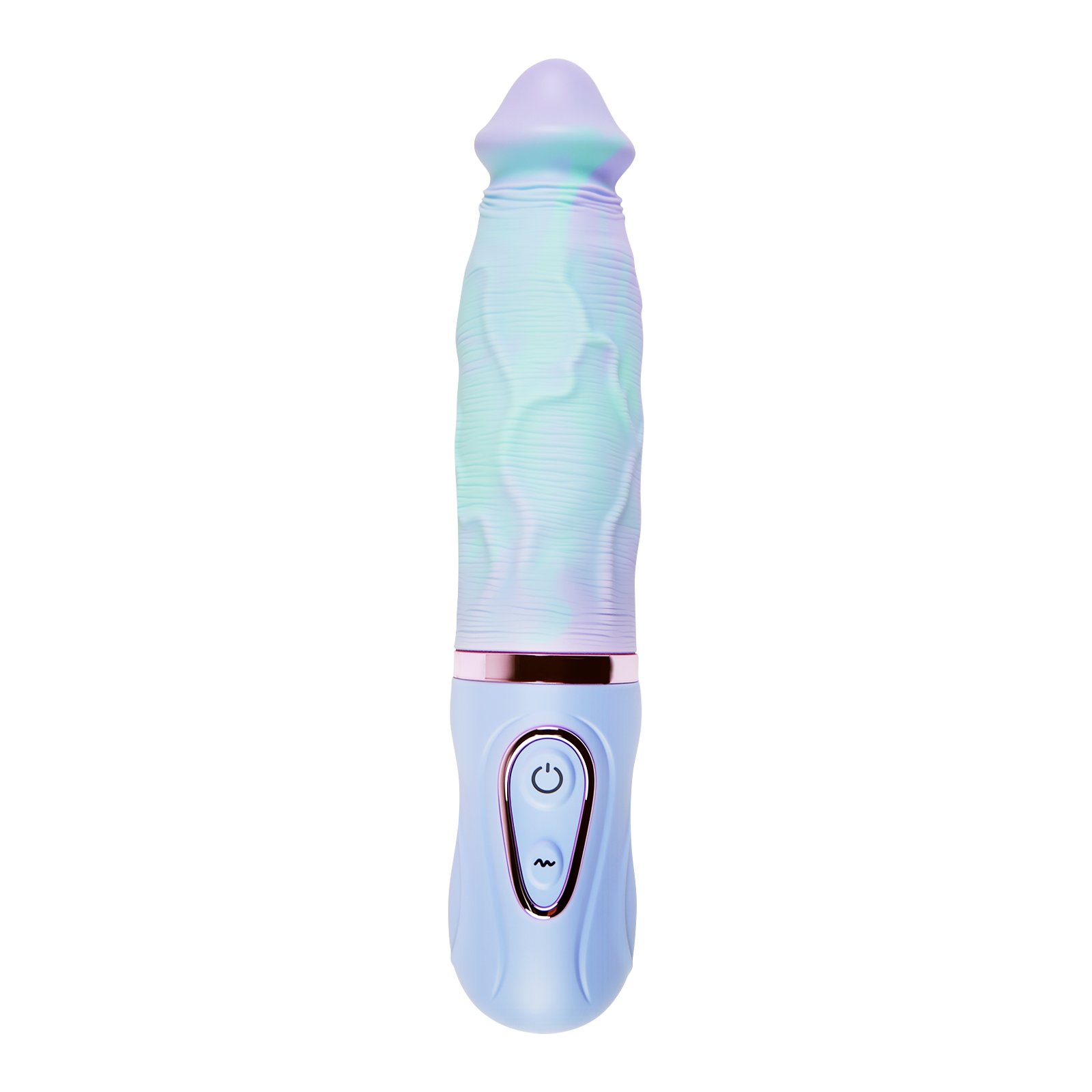
CLIMAGOHI Multi-Function Warming G-Spot Massager – 9Vib + 6Bead + Pulsation ZY-SC11057
Original price was: $80.00.$68.80Current price is: $68.80.
[SULTRYCARE] Premium 6-Speed Thrusting & 9-Frequency Vibrating Massager – Optional Heating Function – Body-Safe Silicone Tip – USB Rechargeable ZY-SC11032

About author


Add comment