
No products in the cart.
Return To ShopThe One Thing More Important Than Sex in a Healthy Relationship

China OEM adult toy manufacturer
China custom sex toy manufacturer
China realistic dildo manufacturer
China adult toy supplier for brand
In the latest season of “Goodbye My Love,” the romance between actress Selena Lee and fitness trainer Che Chongjian has sparked heated discussions among netizens.
Many netizens expressed their confusion: “How did Selena Lee endure being with Che Chongjian for eight years?”
During those eight years, Che Chongjian devoted almost 99% of his time to his work, habitually neglecting Li Shihua’s emotional needs.
He didn’t know what kind of food she liked, what her favorite color was, or what kind of flowers she loved.
She had clearly expressed the style of the wedding ring she wanted, but he ignored it and bought a completely different ring to propose, claiming he wanted to test her reaction.
What hurt Selena Li the most was that she underwent four eye surgeries in one year, and he didn’t accompany her even once.
Whenever Selena Lee felt disappointed, Che Chongjian would always use sweet words like “I really love you, I know I was wrong” to win her back.
But such changes are always short-lived; after a month or two of effort, everything goes back to the way it was before.
Many netizens said they had encountered similar difficulties in their relationships:
The other person keeps saying they love you, but rarely takes any concrete actions.
Over time, love that relies solely on “feelings” gradually fades away, leaving only the mundane mess of real life.
In *The Art of Loving*, Fromm repeatedly emphasizes that love is first and foremost a verb. It is manifested in action: patience, attention, responsiveness, and responsibility.
In other words, in a relationship, concrete actions are a better indicator of how much someone truly loves you than illusory “feelings” or even “sex”.
How can you tell if your partner’s behavior truly reflects their love for you?
Today, Yixinli will talk to you about this topic.

01
Compared to what the other person said
More importantly, what did they do?
We often encounter situations like this:
One party keeps saying “I love you” and “I will be good to you,” but it remains just a verbal promise;
Although the other party hears these sweet words and vaguely feels that they are loved, they cannot see the other party’s real care and dedication in their daily interactions.
Then came confusion and pain: “Does he/she really love me?”
In psychology, this is called “cognitive dissonance,” which is a psychological tension that arises when a person has two or more contradictory cognitions at the same time.
Social psychologist Festinger’s research found that in order to eliminate this discomfort, people usually change their cognition or adjust their behavior.
For example, when “they say they love me” and “they don’t do things to show their love for me” coexist, even though we know the other person isn’t taking action, we still tend to ignore these behavioral issues because we feel a brief intimacy and passion. We choose to comfort ourselves or find various reasons for the other person to reduce our inner discomfort.
But sometimes, “feelings” can be deceptive.
Because “traumatic infatuation” can also bring us strong feelings of love.
Psychotherapist Susan Forward believes that the reason we repeatedly fall in love with people who possess certain qualities is because they touch upon unhealed wounds deep within us. This seemingly romantic love is actually a form of traumatic infatuation.
As Selena Lee mentioned on the show, her family background caused her to be extremely lacking in love, and she longed to prove her worth by being loved.
When Che Chongjian was pursuing her, he was able to give her the sense of security she needed most, and he always said “I love you” to her.
However, after they got together, he was unable to meet her high emotional needs, nor did he show any real responsibility in his actions, which caused her repeated torment in the relationship.
In traumatic obsession, we become hopelessly entangled, hoping that this relationship can heal past wounds and lead to a completely different ending.
It’s like repeatedly pressing a broken switch, hoping that the light will still turn on.
However, the essence of traumatic obsession is not love, but a compulsive repetitive game driven by the subconscious, which will cause people to be hurt repeatedly.
If we judge love solely based on “whether there are feelings” (or lack thereof), it becomes very difficult to discern:
Have I truly found love, or am I unconsciously replaying the script of my childhood trauma?
In addition, “feeling” itself is not static.
It changes with changes in the body, brain, and hormone levels. Just like the tides, there are high tides and low tides.
When the initial passion fades, it becomes easier to see whether a relationship is genuine or not.
For example, in the midst of everyday trivialities, is your partner still willing to listen, respond, and be considerate of you?
When you argue or your partner is distant, are they still willing to take the initiative to approach you and work together to repair the relationship?
Feelings can lie, but subconscious concern, daily actions, and responsibility are the most honest expressions of love.
More important than what the other person said is: what did they actually do?
This is the key to judging whether a relationship can last.
02
How to learn from the other party’s behavior
How to tell if someone loves you
From a psychological perspective, there are four dimensions to consider:
1. You can feel the “security” of being loved.
A good relationship should make you feel safe.
This sense of trust and stability stems from trust in oneself and one’s partner:
You believe you have the qualities to be loved well by someone, and you also believe that the other person is a sincere and reliable person, and that their love and commitment are not fake.
However, this sense of security in a relationship cannot be formed and maintained solely by oneself.
The other person’s response, attitude, and behavior will directly affect your sense of security in the relationship.
for example:
When you express your vulnerability, they are willing to listen actively and respond warmly;
As you try to get closer to them, they also open their arms to welcome you.
When you feel confused about your feelings for them, they don’t blame you for overthinking; instead, they take action to soothe your anxiety and unease.
Through repeated genuine interactions, your heart will gradually lower its defenses, and you will develop a sense of security and certainty towards yourself, your partner, and the relationship.
2. Your self-esteem is enhanced in relationships.
Psychologist Nathaniel Brandon once said:
“Self-esteem is the core of a person’s vitality; it is the belief that we are valuable and capable of facing life.”
However, in many relationships, love does not always appear in a nourishing guise.
Sometimes, your partner will make decisions for you or even take care of everything under the guise of “I’m doing this for your own good.”
They may genuinely care, but what you often feel is not love, but a suffocating sense of being controlled, suppressed anger, and self-doubt after being rejected.
Over time, this kind of “control in the name of love” will gradually erode your self-esteem.
It makes you gradually forget that you are actually a capable and valuable person.
The love that truly nourishes people is quite the opposite.
It’s not about living for you, but about believing that you have the ability to live your own life.
For example, when you have disagreements, they are still willing to respect your choices.
Even if the outcome of this choice is not satisfactory, they will not use sarcasm to prove themselves right, but will affirm your efforts in the process and say to you: “I know you have tried your best.”
Such a response, imbued with understanding and respect, will make you feel that you are an independent individual, and that you are valuable and powerful.
3. The other person is giving you the love you truly need.
For some people, giving and sharing are merely superficial, procedural acts.
For example, they might quickly buy flowers to apologize after an argument, but these “compensations” are only meant to quickly quell the conflict, without trying to understand your true feelings and needs behind the conflict.
for example:
They’ll buy you birthday presents, but none of them will be things you like;
They frequently post affectionate photos of themselves on social media, but in real life, they’re too lazy to even give you a hug…
These seemingly loving actions are actually based on their own needs, and are an attempt to project an image of “I have done it” and “I am a great partner”.
According to psychologist Erich Fromm, true love, in addition to requiring active giving, should also involve giving the other person the most valuable parts of your life, such as happiness, interests, empathy, knowledge, humor, and sorrow.
Those programmed behaviors, like the shimmering surface of a lake, reflect the illusion of emotions, but cannot truly nourish you.
4. In acts of love, they will make willing sacrifices.
We are always told not to lose ourselves in love, but healthy love does indeed come with a certain degree of sacrifice.
Scholar Van Lange argues that the willingness to sacrifice in a relationship is related to the level of investment in the relationship.
In other words, when a person chooses to sacrifice in a relationship, it indicates to some extent that they are willing to invest more in the relationship and make commitments.
For example, you changed your own sleep schedule so that the other person could get a good night’s sleep;
You’ve reduced your leisure time so you can spend more time with your partner and create more wonderful shared memories…
The occurrence of these “sacrifices” all indicate that your way of thinking has changed from the individual perspective of “I” to the collective perspective of “we”.
While a certain degree of sacrifice may bring discomfort, when we feel loved, we are more willing to make adjustments for each other, making the relationship more harmonious and stable.
03
To make love take root
You can also do this
When a relationship only involves verbal expressions of love without any concrete actions, you can try the following methods to guide the relationship towards a healthier future:
First, prove sincerity with actions, not with words of love.
“Feelings” are fleeting, but actions are concrete and visible.
You can try asking yourself a few realistic questions:
When you need them, are they there?
Does your schedule include a regular spot for you?
After saying “I will change,” has there been any actual change or response?
In psychology, there is a concept called “consistency”:
A person’s true feelings are not determined by their words, but by whether their words and actions are consistent.
If a person’s behavior and language frequently contradict each other, it means that their level of engagement may be limited.
Secondly, learn to communicate clearly and translate requirements into actionable steps.
Instead of guessing and wasting your time, express your feelings and expectations clearly without blaming others.
You can try this sentence structure:
“I know you love me, but when I need support, I feel uneasy and disappointed if I don’t see concrete actions from you.”
This way of expressing yourself allows the other person to hear your needs and also gives them a chance to adjust.
The purpose of our communication is not to prove who is right and who is wrong, but to understand each other and solve problems.
You can also offer specific, actionable suggestions, such as:
- They agreed to have a fixed “Deep Talk” time each week, specifically to share their feelings and thoughts.
- Set some small goals together, such as taking a short trip together or exercising together every week.
A clear request can give the other person a clear direction for their actions and make their love truly “take root”.
Finally, before you crave to be loved, you must first learn to love yourself.
Sometimes you’ll find that even if you express yourself clearly, the other person’s actions still fail to meet your basic needs.
At this point, the most important thing is not to exhaust yourself trying to change the other person, but to return to yourself and learn how to love yourself.
for example:
- Develop your own interests and life: diversify your sources of happiness and don’t rely entirely on others for them;
- Cultivating independence: Cultivating independence in emotional, cognitive, and economic aspects gives you the confidence to make free choices;
- Engage in positive self-talk: When you doubt yourself, gently remind yourself, “I am worthy of love and capable of taking care of myself.”
When you establish a solid sense of self-worth, love will no longer be your only support, but will become a companion that you can freely choose to add to your life.
Finally, if you find yourself repeatedly trapped in a painful relationship and unable to leave, don’t struggle alone.
Seeking professional psychological counseling may help you see your attachment patterns more clearly, understand why you find it hard to let go, and ultimately figure out what kind of healthy love you truly need.

04
In conclusion
I have been moved countless times by the story of the Little Prince and the rose in “The Little Prince”.
Even though there are millions of roses in the world, the Little Prince firmly believes that his rose is unique:
“Because I water her, cover her up, shelter her from the wind, and remove the caterpillars for her (except for leaving two or three caterpillars so they can transform into butterflies), even if she complains, boasts, or doesn’t say a word, I will listen carefully to her heart.”
It was precisely because the Little Prince devoted his time, effort, and concrete actions to his rose that his rose became so important, even becoming an irreplaceable part of his life.
Isn’t love the same?
Those subconscious concerns, patient listening, proactive responsibilities, and day-to-day companionship…
These visible actions are far more powerful than a thousand touching words, connecting two independent hearts closely.
It also allows love to take root from a fleeting “feeling” into a profound and lasting relationship.
The world and I love you.
share in github.com.
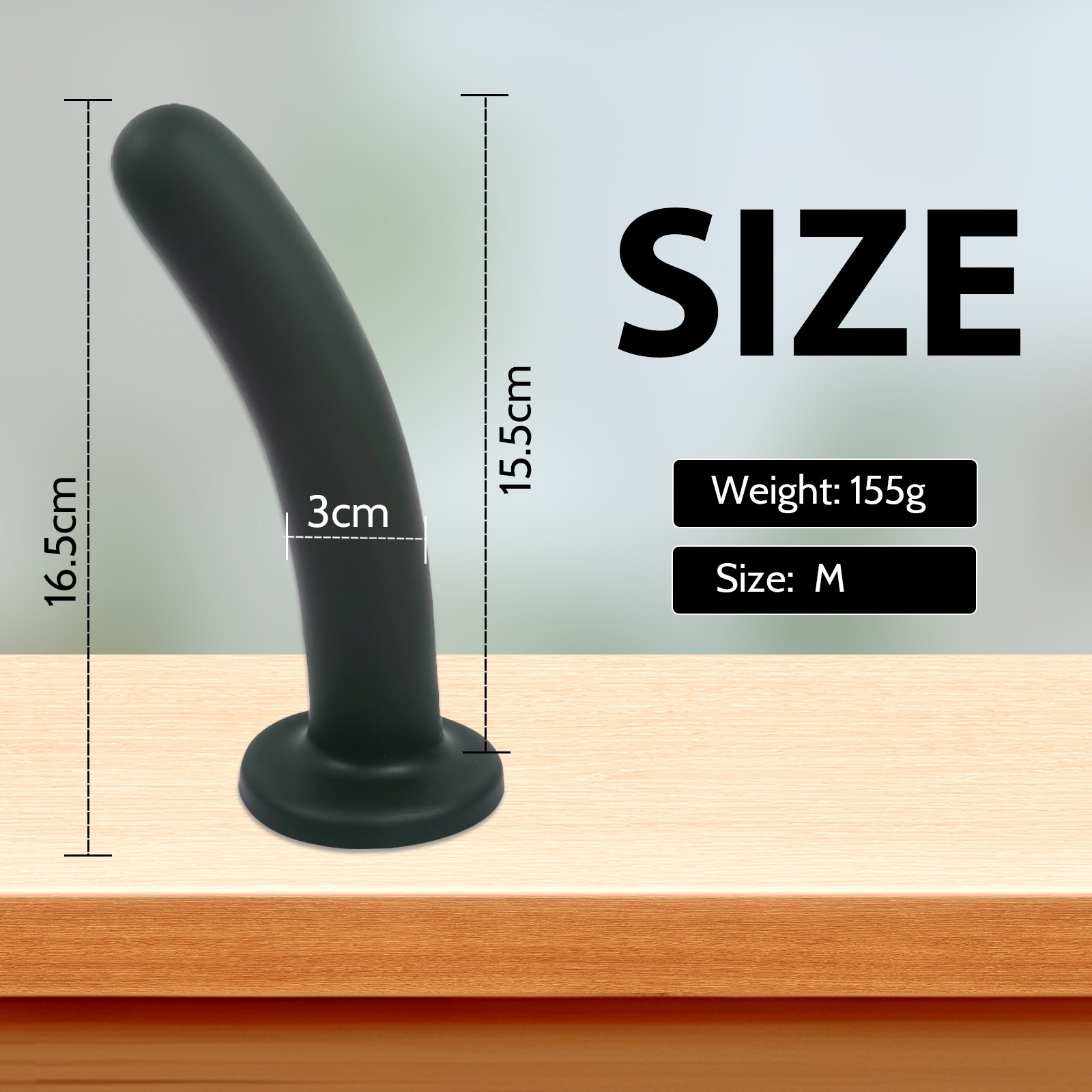
CLIMAGOHI Deep Curve Silicone Training Massager with Suction Base – L Size ZY-SC11036
Original price was: $42.00.$16.80Current price is: $16.80.

About author


Add comment