
No products in the cart.
Return To ShopIntimate Health & Self-Confidence for People with Disabilities
China OEM adult toy manufacturer
China custom sex toy manufacturer
China realistic dildo manufacturer
China adult toy supplier for brand
How to become an individual with “sexual needs”?
Will my disability prevent me from enjoying sex?
This depends on how your disability affects your body and mind. Exploring the body and sensuality takes energy, so factors that may influence your interest in or energy levels related to sex include:
Pain. Pain can sometimes overwhelm your body and life, making it difficult to think about anything else. However, sometimes distraction can be the best (and perhaps only) way to heal pain, so if you can get yourself to a point where you experience sexual pleasure, your pain may be relieved. We’ll discuss in more detail below why different sexual activities can alleviate some chronic pain.
Exhaustion. Feeling tired or chronically fatigued can make sex feel like just another burden in life. If you feel energetic one day, try letting go of these burdens. However, remember that sexual pleasure and response don’t necessarily require high energy levels. If you feel weak, even gentle caresses (self-touching or mutual touching with your partner) can be very pleasurable.
Mental state. When something negative affects your way of thinking (whether about yourself or the people/things around you), your views on sex will also be affected. For example, low self-esteem and stress are major factors that make you not want to have sex or even want to think about it.
Medication. If you’re taking medication daily, you’re probably quite familiar with it—why you take it, what it does, and how you feel before and after taking it. However, what doctors and medication instructions often don’t tell you is that medications can actually affect your interest, thoughts, and attitudes towards sex. Talking to your doctor about this might be a bit challenging (especially if they don’t consider sex an important part of your life), but I think you should at least try.
“I have lost all sensation in my erogenous zones. Can I still experience sexual pleasure?”
If your body doesn’t always do what it “should” do—especially in sex-related situations—people might assume you have no sexual thoughts or feelings. But wait… the largest sex organ in your body is your brain! And whether you feel aroused has less to do with how much your body perceives or whether you can express it in a “specific” way, but rather with how much you perceive the situation, the person, or the fantasy.
Even if you have no feeling below your waist, there are still many areas in your upper body that can arouse you sexually. Many women experience sexual pleasure when their ears, neck, lips, or breasts are caressed. Many women with spinal cord injuries can still experience pleasure from cervical stimulation.
Because every part of your body has a corresponding area in your brain, and sometimes the areas corresponding to conscious and unconscious parts of your brain may be adjacent. Therefore, stimulating the conscious part can produce a similar sensation in the unconscious part. Yes, this does take a lot of time for exploration and experimentation, but the rewards are well worth it!
What is GC? Can I still receive GC even if I have a disability?
The primary problem to be addressed is that the definitions of GC are derived by people without disabilities through their observation of other people without disabilities.
Therefore, if your body cannot provide these stimuli, it seems you cannot achieve an orgasm. However, this is not the case. An orgasm is simply your body experiencing intense pleasure. This is usually based on a complete feeling of physical or mental relaxation after a series of intense sexual and physical tensions.
Orgasm isn’t actually achieved solely through genital stimulation. For example, some women experience orgasm in their sexual fantasies or erotic dreams. Women who don’t experience genital sensation can also experience orgasm through other parts of their body.
People who are paralyzed or have spinal cord injuries are often highly sensitive in the area above the paralysis—in other words, stimulation of this area may trigger an orgasm. Many women—whether disabled or not—have never experienced the orgasms they “should” have, but that doesn’t mean they’ve never experienced intense sexual pleasure. So don’t worry if your orgasm is different from what you’ve heard about—as long as you feel good, nothing else matters.
How can I gain more confidence in my sex life?
“Because of my disability, no one would assume that I have sexual feelings.”
If you grew up seeing yourself as asexual because of your disability, it may be difficult for you to see yourself as sexually attractive. You need to break the direct link between disability and sex in your mind. Being disabled does not mean you are sexually incompatible. You need to understand and view yourself from a positive perspective. How you see yourself will influence how you present yourself to the outside world and how others perceive you.
Some people might see your disability as central, which could damage your identity and sexuality. They might see you as a role model of resilience, overcoming countless hardships, and think, “How can someone so superior indulge in lust?” Or they might see you as a helpless lamb, unable to do anything on your own, let alone enjoy sex. But these are all misunderstandings, and if you believe them, it will be disastrous. Remember, others will only begin to see you that way when you see yourself as a sexually connected person.
Sex therapist and therapist Deepak Kashyap says, “ First, you need to discover your own attractiveness. You need to learn how to masturbate in front of yourself in the mirror. Believe that it’s the pleasure you deserve. Only then will you slowly develop that confidence, and only when you feel you deserve it will others agree that you deserve it. ”
“I used to have an active sex life, but after becoming disabled, I don’t know if I can ever go back to that state.”
Many women begin to worry about sex after significant physical changes, such as weight gain or loss, disability, or pregnancy. Try to think about what’s bothering you. Do you feel you might not be able to satisfy your partner? Or are you unable to enjoy pleasure as usual? Or are people no longer finding you attractive? Or have you lost confidence in yourself as a whole?
After gaining a disability, it takes time to rediscover your own sex appeal. Think about what makes you feel attractive: perhaps a particular outfit, a hairstyle, or a favorite perfume? Try looking at yourself in the mirror in a way that pleases you, and let your eyes readjust to the new you. What parts of your body did you like before that haven’t changed because of your disability? Focusing on these parts can give you overall confidence. Masturbation is also a good way to help you see yourself sexually and can provide you with confidence in your abilities, leading to pleasure.
Once you’ve overcome your fears, try to see what else works for you. If something from your past trauma affects how you used to have sex, why not talk to your partner about it? You can find new ways to bring each other pleasure together.
Remember that many women go through different phases of sexuality. For example, an aging woman may experience changes in her sexual desires or her body’s response to sex. Similarly, the importance of sex in a relationship fluctuates—in a romantic relationship, sex can play a very important role at times (especially at the beginning), but it can also be less important at others. So yes, don’t let disability become an obstacle to enjoying sex, but you also don’t need to put pressure on yourself to be “as active as before” in your sex life.
How can you talk to your partner about sex and love?
Many people believe that you, as a disabled woman, shouldn’t have a sex life, and under that mindset, you shouldn’t be so bold as to talk about sex. If you can share your sex life and relationships with others (provided you feel comfortable), you can break down these stereotypes and force people to reflect on their prejudices and misconceptions about sex and disability.
“I want to tell my partner what things bring me sexual pleasure, but I’m too embarrassed to say anything.”
If you find it difficult to express something verbally—because of your disability, discomfort, or because speaking isn’t your forte—there are other ways to convey that information. We tend to overestimate the power of language as the only way to express ourselves, but in sexual situations, silent communication can be far more effective (in fact, sometimes it’s the only way for many people to express their desires).
Why not try guiding your partner’s hand to where it feels good and pointing out the pressure you want? Or demonstrate how you’d like them to do it? Or express your level of satisfaction with sounds of pleasure/displeasure? There are certainly things you need to say, but you’ll find that some silent communication with your partner is much easier.
“My disability means I always experience a lot of pain, including during sex. How can I help my partner understand this?”
Explaining what severe pain is—its urgency and aftereffects—is difficult for those who have never experienced it. So instead of trying to make your partner understand the experience, try explaining its impact. For example, explain how the pain affects your emotions and body during sexual arousal. Talking to your partner about this doesn’t mean you don’t want to have sex; it just means you might need to adjust based on the pain.
If your pain is occasional and likely occurs during a single sexual encounter, your partner might feel responsible for it. Therefore, it’s important to talk to them about these feelings of guilt, as both partners enjoying sex equally is crucial in a relationship.
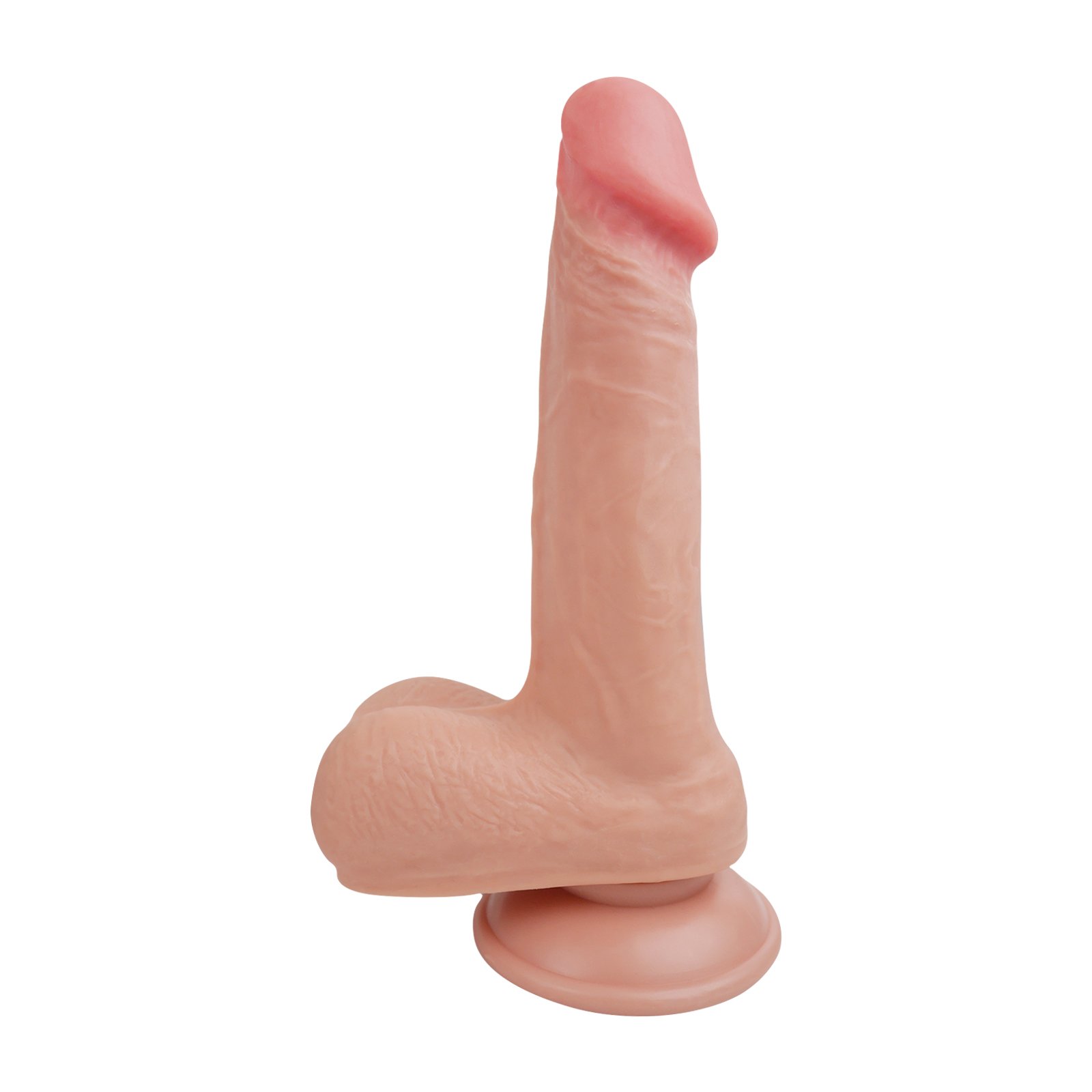
CLIMAGOHI Realistic Poseable TPE Massager with Detachable Suction Base – M Size ZY-SC11048
Original price was: $26.00.$19.80Current price is: $19.80.
[SULTRYCARE] Poseable TPE Body Massager – Lifelike Skin Feel – Detachable Suction Base – 5.5 in Insertable – M Size ZY-SC11048

About author


Add comment