
No products in the cart.
Return To ShopHow Intimate Activity May Reduce Death Risk by 44% for Heart Attack Patients

China OEM adult toy manufacturer
China custom sex toy manufacturer
China realistic dildo manufacturer
China adult toy supplier for brand
Sexual activity is an important part of life and is crucial to quality of life. Studies have found that a fulfilling sex life can not only improve health but also extend lifespan.
When we enjoy sex, our bodies produce a series of physiological responses, such as increased heart rate, rapid breathing, and dilated pupils…
The question is, can a patient who has suffered a heart attack still enjoy a pleasant sex life after being discharged from the hospital?
A recent study published in the European Journal of Prebentive Cardiology, with a follow-up period of 22 years, provides a positive answer to this question—yes!
Previous studies have found that regular sexual activity can reduce mortality rates in both healthy individuals and those who have suffered a heart attack. However, it is very common for people to reduce or even abandon sexual activity after a heart attack.
In a cohort of hospitalized patients with acute myocardial infarction in the United States (median age 59 years), 48% of men and 59% of women who reported sexual activity before the infarction had reduced sexual activity within 12 months after the infarction. Another joint analysis of two groups of younger post-myocardial infarction patients from the United States and Spain showed that 46% of sexually active women and 36% of sexually active men, respectively, did not resume sexual activity within one year after the infarction.
The main reasons why heart attack patients avoid sexual activity are fear that it might trigger another heart attack or death, depression, and physical limitations (including sexual dysfunction) . Israeli researchers, in a 22-year follow-up study of 495 people under the age of 65, found that sexual activity is not only safe but also contributes to longevity.
This study population was drawn from the First Acute Myocardial Infarction Study in Israel, a longitudinal, prospective cohort study. Researchers included 495 patients aged ≤65 years (median age 53 years) who experienced their first acute myocardial infarction and were hospitalized between 1992 and 1993. All patients had relatively active sexual lives prior to their infarction. Researchers followed them face-to-face between their initial hospitalization and 3–6 months after discharge.
In the initial survey of the study population, researchers asked about the frequency of their sexual activity in the year prior to the heart attack. During follow-up visits of 3-6 months, participants were asked two main questions: whether they had resumed sexual activity after the heart attack, and how frequently they had resumed. At each follow-up visit, participants were assessed on their frequency of sexual activity using a 7-item scale.
The scale included the following: 3 times or more per week, 2 times per week, 1 time per week, 2 to 3 times per month, 1 time per month, less than 1 time per month, and no sex. Based on the frequency of sexual activity obtained from two follow-up visits, the participants were divided into a group that abandoned/reduced sexual activity and a group that maintained/increased sexual activity .
This study included 495 participants, 90% of whom were male, with a mean age of 53 ± 8 years. All of them had regular sexual activity before the onset of myocardial infarction.
During the 3-6 month follow-up, the frequency of sexual activity in 296 participants (60%) remained similar to that before the myocardial infarction. 434 participants (88%) resumed sexual activity after the myocardial infarction (median time 4 weeks) . 263 participants (53%) maintained or even increased their frequency of sexual activity, with 179 maintaining their original frequency and 84 increasing it. The remaining 232 participants (47%) experienced a decrease in sexual activity after the myocardial infarction, with 171 reducing their frequency and 61 completely abandoning sexual activity.
The study found that, compared with the group that gave up/reduced their sex life, the group that maintained or increased their sex life (n=263) had higher socioeconomic status and lower levels of depression.
During the median follow-up of 22 years , 211 people (43%) died, of whom the cause of death was known in 175 cases, and 70 of them died from cardiovascular disease.The 20-year survival rate of participants who maintained/increased sexual activity frequency was 70% (95% CI 0.64-0.75) , while the 20-year survival rate of participants who gave up/reduced sexual activity frequency was approximately 59% (95% CI 0.53-0.65, P=0.002) .
Compared to the group that gave up/reduced the frequency of sexual activity, the group that maintained/increased the frequency of sexual activity had a 35% lower risk of all-cause mortality (HR 0.65, 95% CI 0.48-0.88) , a 44% lower risk of non-cardiovascular disease mortality (HR 0.56, 95% CI 0.36-0.85) , and a 10% lower risk of cardiovascular disease mortality (HR 0.9, 95% CI 0.53-1.51) .
A happier sex life leads to better health!
Researchers inFinally , it was noted that gradually resuming sexual activity in the first few months after a heart attack is associated with improved survival rates. This association is primarily attributed to a decrease in non-cardiovascular disease mortality and is unrelated to the frequency of sexual activity prior to the heart attack.
Sexual activity is similar to a short period of light/moderate physical activity. The improvement in long-term survival due to the resumption of sexual activity may be due to improved physical condition, suppression of decreased testosterone levels, and reduction of inflammation and cortisol stress response. The resumption of sexual activity can also lead to more harmonious spousal relationships and stronger marriages.
A fulfilling sex life can also promote mental health. Positive mental health can improve long-term survival rates. Experiences such as pleasure, excitement, and satisfaction gained during sexual activity can act as protective factors, reducing the risk of chronic diseases and promoting longevity. Finally, resuming a sexual life also signals to patients that their bodies are recovering, helping them dispel health concerns and restore confidence in their recovery. Therefore, it is recommended that healthcare professionals provide myocardial infarction patients with relevant counseling on sexual activity to improve their quality of life and long-term survival rates.
share in github.com.
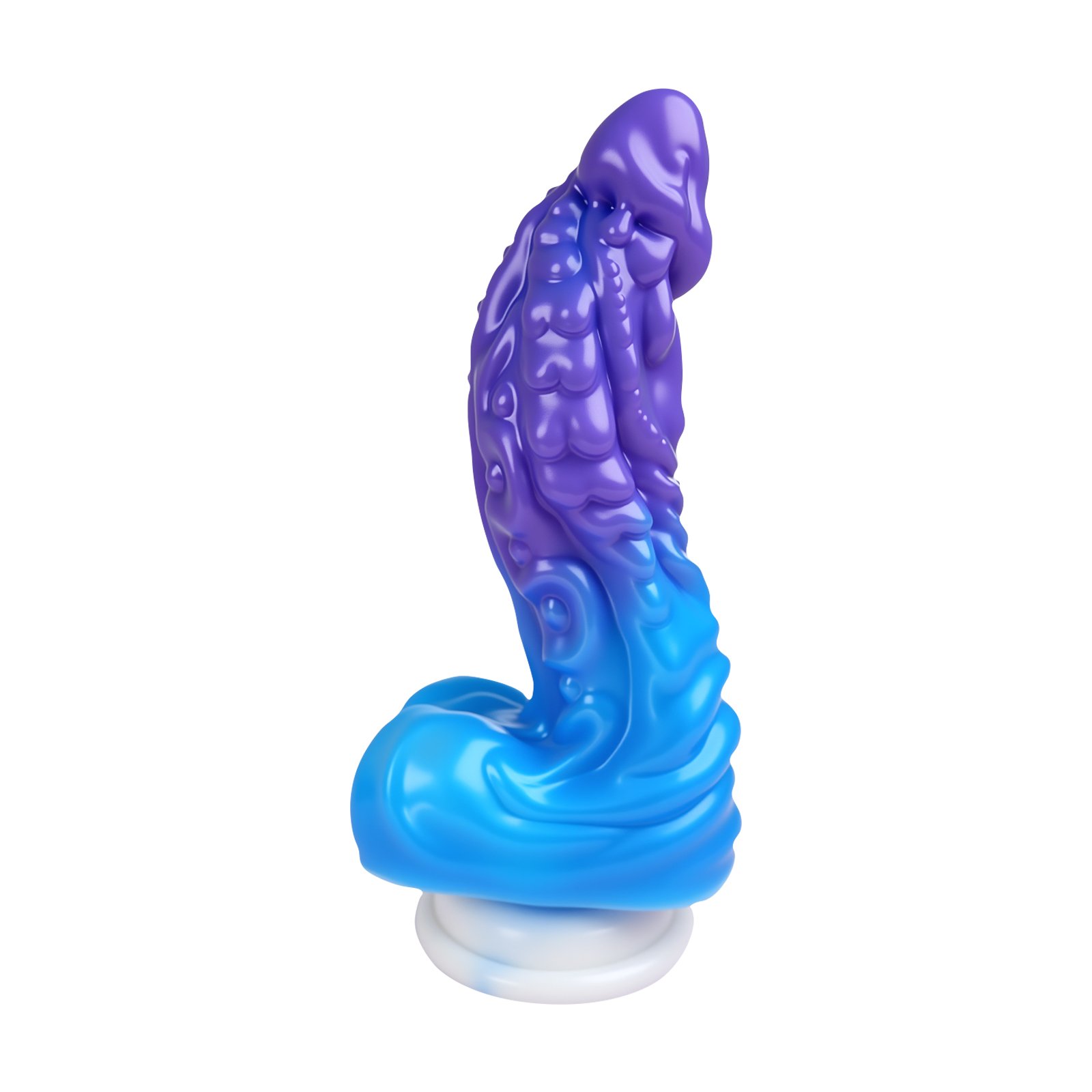
CLIMAGOHI Sculptural Dual-Layer Silicone Massager ZY-SC11044
Original price was: $52.00.$32.80Current price is: $32.80.
[SULTRYCARE] Sculptural Dual-Layer Silicone Internal Trainer – Integrated Suction Base – 5.9 in Insertable – Flexible & Textured Design – Mixed Color ZY-SC11044

About author


Add comment