
No products in the cart.
Return To ShopWhy Weight Gain Is Common in Aging Women & How to Lose Weight Healthily
China OEM adult toy manufacturer
China custom sex toy manufacturer
China realistic dildo manufacturer
China adult toy supplier for brand
Many of my readers are older women, and many ask me how older women should lose weight . I suggest you take a good look at this article today.
Actually, no matter how old you are now, reading this article will be beneficial, because you will have to face these issues sooner or later.
Many women are very slim when they are young, but once they get married and have children, they find it increasingly difficult to maintain their figure, as they have a strong appetite and don’t want to exercise.
Especially foreigners, those beautiful women from Europe and America, don’t be fooled by their youthful beauty and wealth. Once they get a little older, over thirty, they quickly develop big butts, thick legs, and big bellies. Why is that?
How should older women lose weight?
Although I’m not a mature young woman, I enjoy researching, reading, learning, and finding information. I prepared this article for a long time and gathered a lot of materials, hoping it will be helpful to everyone.
First of all, weight gain in older women is a very normal phenomenon, and there are many reasons for it:
- Basal metabolic rate is negatively correlated with age, decreasing with increasing age.
- Hormonal changes in women can also lead to increased appetite.
- Lifestyle changes have led many people to become less active as they age.
- Menopausal symptoms can cause various problems, such as poor sleep, stress, and sensitivity.
Let’s first understand the menstrual cycle in a woman’s life. Generally speaking, a woman experiences several major periods of hormonal change throughout her life, which can be divided into four phases:
→ Normal menstrual period
Also known as the reproductive years, this process begins in puberty, starting from the first menstrual period and ending with the last menstrual period, lasting about thirty to forty years, but it varies from person to person.
→ Perimenopause
Also known as premenopause, or what we commonly refer to as menopause.
Before menopause, there is a period of time during which estrogen secretion is very unstable and progesterone levels drop . Some people start experiencing this phenomenon at age 35, while others may not start until age 50. Most people are in this period from age 40 onwards, and this period may last for about 4 to 11 years.
Many women begin to experience various problems during this period.
- Can’t stand the heat or humidity
- Sleep disorders, insomnia
- Changes in the menstrual cycle
- Headache
- Mood changes, including depression, anxiety, sensitivity, and irritability.
- Weight gain is also closely related to the aforementioned symptoms.
→ Menopause
As women age, if they go 12 months without menstruation, it means they have entered menopause, which typically occurs around age 50. Before that, it is called perimenopause.
Every woman reacts differently. Some find that the most difficult years are during menopause, while others find that the years after menopause are the truly painful ones, feeling like each day is an eternity.
→ Late menopause
This refers to the entire lifespan after menopause, during which time there are also hormonal changes in the body.
In short, a woman’s hormone levels fluctuate significantly throughout her life, and these hormonal changes directly affect her mood, overall well-being, and weight.
This is why many women experience significant mood swings; they can be incredibly happy when they’re in a good mood, but their temper can be unbearable when they’re in a bad mood . Some men may never understand them.
At the same time, these hormonal changes make it very difficult for older women to lose weight, much more difficult than for men. Hormones in a woman’s body directly affect her mood, emotions, appetite, and metabolism .
The relationship between body hormones and metabolism
As people age, generally after 35, they gradually enter menopause. Progesterone levels gradually decrease but remain relatively stable overall, while estrogen levels fluctuate greatly , with significant changes in estrogen secretion throughout the day.
In the early stages of menopause, the ovaries typically secrete a lot of estrogen. This is due to impaired feedback signals between the ovaries, hypothalamus, and pituitary gland, leading to excessive estrogen secretion.
In late menopause, as menstruation becomes increasingly irregular, the ovaries secrete less and less estrogen, and after menopause, they secrete even less.
As shared in previous articles about hormones, too much estrogen can also lead to obesity . Many women are obese due to excessive estrogen secretion, and excessive estrogen secretion during puberty can also cause obesity. ①
From puberty to menopause, many girls store fat in their hips and thighs , mostly as subcutaneous fat . Although it’s not easy to lose and doesn’t conform to modern aesthetics, it generally doesn’t affect your health much.
The good news is that, with the gradual infiltration of fitness culture and Western aesthetic culture, more and more young men are liking thick legs and big buttocks.
However, once you get older and slowly enter menopause, you will find that the location of fat storage begins to change, starting from the thighs and buttocks, and moving to the abdomen and internal organs .
Fat in these areas is very unhealthy and can easily lead to insulin resistance, diabetes, heart disease, and other chronic diseases.
Increased appetite after menopause
Studies have found that menopausal women gain an average of 2-4 pounds per year, and the heavier a woman is when she is younger, the more likely she is to gain weight during menopause.
The National Women’s Research Association (SWAN) conducted a large-scale longitudinal study of older women and found that most women experience a rapid increase in abdominal fat and significant muscle atrophy with age.
There are other factors, such as hormonal changes that cause many women to have increased appetites and become less willing to exercise.
A study found that menopausal women have higher levels of ghrelin than women in the post-menopausal and post-menopausal stages, meaning they have a stronger appetite and may eat more food . ③
In late menopause, lower estrogen levels can also affect the secretion of two other hormones: leptin and neuropeptide (PYY) . These hormones directly control appetite and satiety, leading to overeating and fat storage. ④
Therefore, a woman’s entire menopause is controlled by her hormone levels. Her appetite will increase, she will eat more, and her mood will worsen and she will become more sensitive. These are all very normal and natural phenomena.
You need to face the changes in yourself squarely, try to find ways to relieve your emotions, eat some healthy food, and don’t let food control you.
Obesity problems during and after menopause
Even after menopause, hormonal changes can cause women to continue gaining weight.
However, individual responses vary. A study of 1900 women found that women who experienced early menopause may accumulate less body fat than those who experienced late menopause. ⑤
Of course, other factors can also cause women to continue gaining weight after menopause. Many women find themselves increasingly reluctant to move after menopause, which reduces calorie expenditure and also leads to muscle loss. ⑥
Postmenopausal women typically have higher fasting insulin levels than normal and may experience insulin resistance, which can lead to obesity, diabetes, heart disease, and other health problems. ⑦
Some people have tried hormone injection therapy and achieved some good results, such as reducing abdominal fat and improving insulin sensitivity. However, these therapies are still somewhat controversial.
In short, women vary greatly from person to person, and everyone gains weight for different reasons. You must find out the source of your own weight gain in order to truly master your own weight loss secrets and never be bothered by obesity for the rest of your life.
How can older women lose weight?
Okay, now that we’ve covered so much and you understand the differences between older women and others, let’s get to the practical stuff: how should older women lose weight?
→ Low-carb, high-fat diet
Regardless of your age, if you are facing obesity, you must find a way to practice a low-carb diet. A low-carb diet can not only help you lose weight, but also improve your health, stabilize your mood, and improve your relationship with food. It is a very healthy way of eating.
Don’t go for a low-fat diet, as it’s very unhealthy. However, you should choose better-quality fats and try to avoid vegetable oils, as they are prone to aging, high in omega-6, and can easily cause inflammation, leading to faster aging and obesity.
Those with good means can eat olive oil, coconut oil, and avocado oil; those with limited means can eat animal fats such as lard.
As you get older, there’s no need to pursue the high-fat diet of the ketogenic diet. Ensuring adequate fat intake and high-quality fat is more important.
→ Improve sleep quality
As people age, their sleep quality declines sharply, which is a major cause of obesity.
Make sure to get plenty of sunshine during the day and minimize exposure to blue light at night. Turn off the lights early at night, reduce your phone usage, and avoid going hungry at night as this can lead to insomnia. However, don’t overeat either; eat well but not to the point of feeling stuffed.
However, it’s best to avoid eating three hours before bed. Eat whatever makes you feel comfortable, but ensure good sleep quality, as good sleep is the foundation for weight loss and overall health.
→ Eat more vegetables and moderate amounts of protein
Eat plenty of vegetables, but don’t consume too much protein. You can also stick to a vegetable-only diet. Studies have found that vegetarianism is a good option for older women who want to lose weight.
However, you should still try to reduce your intake of rice and noodles and eat some healthy fats.
→ Increase dietary fiber intake
Increase your intake of fresh vegetables, such as cabbage, broccoli, and leafy greens, and take supplements such as inulin and oligomannose.
It can improve gut health and promote the growth of bifidobacteria, which is important for gut health as the elderly generally have fewer bifidobacteria.
→ Practice mental techniques to stabilize your emotions and learn to release them.
Learn to communicate with yourself, learn to accept and acknowledge yourself, and try not to be controlled by your emotions.
Psychotherapy is essential, and cognitive behavioral therapy is the most common treatment for binge eating and eating disorders abroad.
Practice meditation. Research has found that meditation is an excellent way to stabilize emotions . Menopausal women who master meditation may find significant changes.
Therefore, I highly recommend that older women try yoga. It can stretch muscles, and when combined with meditation, it’s simply perfect.
This is the best way to get to know and accept your own body.
→ Strength training is essential.
We often see women doing square dancing, but we rarely see mothers doing strength training. Those internet celebrities, women in their 50s who look like they’re 18, all consistently do strength training.
Many mothers dislike strength training, especially middle-aged women in China. They feel that it is something for young people. While aerobic exercise is indeed beneficial to health, ignoring strength training is not advisable. Falling in love with strength training can benefit you for a lifetime.
The elderly have too little muscle mass, which is very detrimental to their health. Our bodies need a certain amount of muscle mass, and the benefits of having muscle are numerous.
Regular strength training can increase bone density, prevent osteoporosis, increase muscle mass, boost metabolism, and burn fat.
Many women worry about developing too much muscle. Don’t worry, with normal intensity, a woman can train her whole life and never become a “muscle Barbie .” It will only make your curves more beautiful and healthier.
Therefore, for older women, the best exercise combination is strength training plus appropriate aerobic exercise. Reply with “strength training” on our official WeChat account for a list of related articles.
→ You can try acupuncture to regulate hormones
Find a reliable acupuncture clinic. Acupuncture can help regulate hormones, but be cautious about clinics that offer acupuncture for weight loss, because they usually give you a diet plan (low-carb, low-fat) after the acupuncture treatment. In reality, you will still lose weight by eating the same diet.
One study found that professional, targeted acupuncture can increase estrogen levels in women and may also improve sleep quality. ⑧
→ Increase antioxidant intake
In my article on free radicals and mitochondria , I discussed the importance of antioxidants. Many foods have antioxidant properties, such as various vegetables, berries (blueberries, raspberries, etc.), chia seeds, grape seeds , and other antioxidant supplements.
→ Try intermittent fasting
Leaving this last doesn’t mean it’s unimportant; for many adult women, it may be the most important.
Many women experience hypoglycemia when they fast because they usually eat too much staple food, which causes high blood sugar and leads to hypoglycemia. Gradually reducing staple food intake and increasing the intake of healthy fats will help them adapt to a low-carb diet and eliminate hypoglycemia problems.
Intermittent fasting 1-2 times a week can lower blood sugar and blood lipids, help with weight loss, and improve various health indicators.
Our bodies need to be hungry to be healthier, but it’s important to note that you should never diet normally and try to eat comfortably.
The key point is that the thin dragon said
Losing weight is really not easy for women. They fight against their body’s hormones every day, especially older women.
You must learn to analyze your own reasons, find out why you are obese, what’s wrong with your diet, and why you eat too much.
Most older Chinese women struggle to lose weight because of their diet; mothers generally prefer staple foods and are afraid to eat fatty foods.
The main reason is that staple foods are cheap and delicious, while fats are expensive , and there are concerns that eating too much of them is bad for women . For older women, changing this mindset is probably the most difficult thing.
Staple foods have three major flaws:
It’s easy to overeat when eating staple foods.
I get hungry again very easily after eating staple food.
Staple foods stimulate insulin production, making it easy to gain weight.
Staple foods don’t offer much nutrition, while good fats provide you with nutrients and energy, are very filling, don’t stimulate blood sugar or insulin, and won’t cause weight gain if consumed in moderation .
Therefore, for older women to maintain good health, the most important thing is to change their diet.
Furthermore, many women overeat because they cannot control their emotions. Hormones affect women’s moods, but you cannot rely on food to relieve your emotions. You must find other ways to release your emotions.
Whether it’s meditation or mindful eating , you won’t see results in a day or two. You need to gradually develop these habits. Force yourself to do them first, and they will slowly become a habit ( fake it till you make it ).
Strive to be a reserved, calm, intellectual woman who loves herself, without anxiety, with fewer negative emotions, and learn to relieve stress. This requires long-term practice, and I hope everyone will pay more attention to it and communicate more with themselves.
Strive to become healthier in both body and mind, understand yourself better, and love yourself more during the pursuit of health and weight loss . True weight loss is about losing weight from the inside out, and it’s the only successful weight loss you’ll ever achieve in your lifetime.
share in github.com.
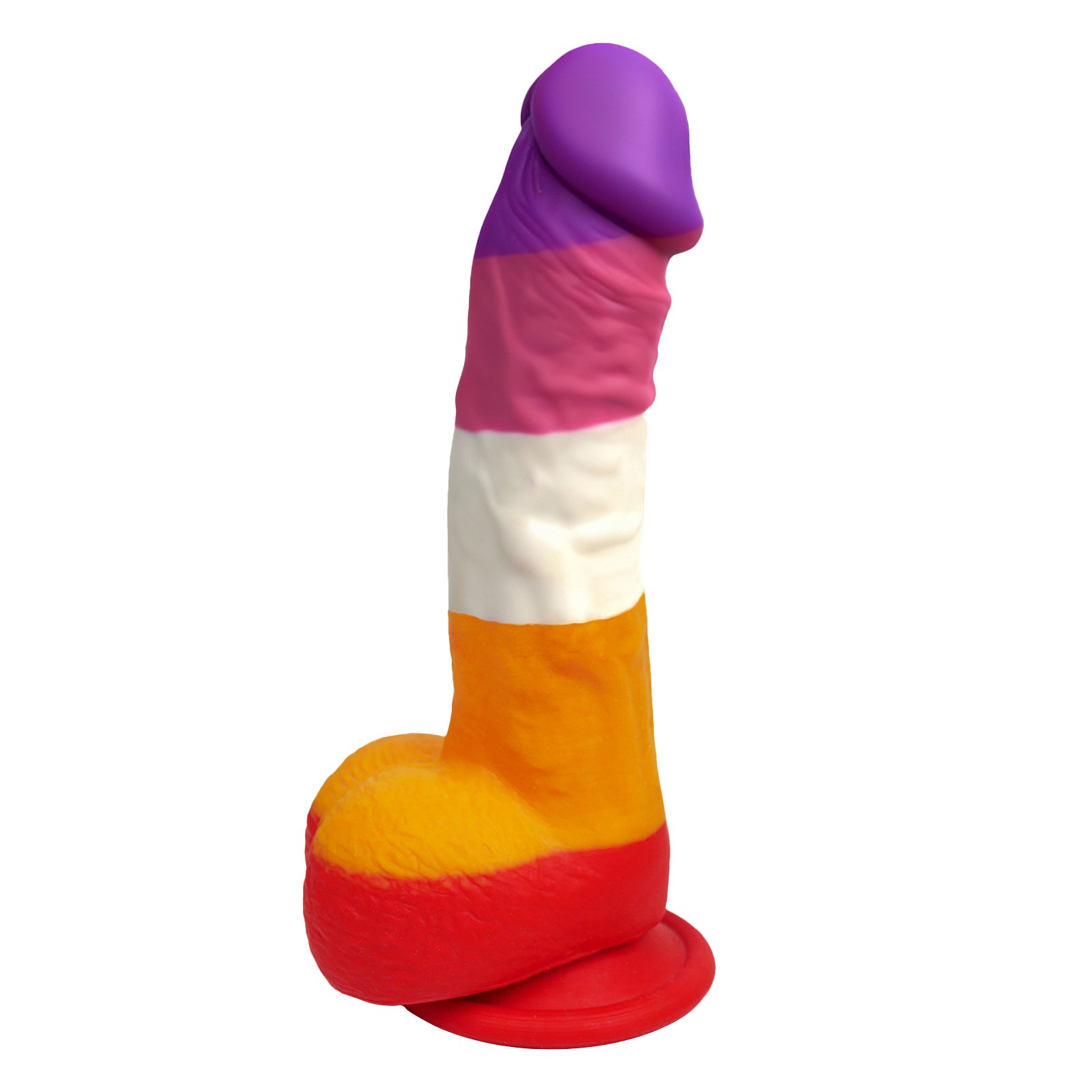
CLIMAGOHI Lifelike Suction Base Massager – Glow-in-the-Dark Pink ZY-SC11037
Original price was: $59.00.$38.80Current price is: $38.80.
[SULTRYCARE] Lifelike Body-Safe Silicone Massager with Strong Suction Base – Anatomical Texture – Glow-in-the-Dark Pink – 5.5 in Insertable – ZY-SC11037

About author


Add comment