
No products in the cart.
Return To ShopDo women need more sleep than men?
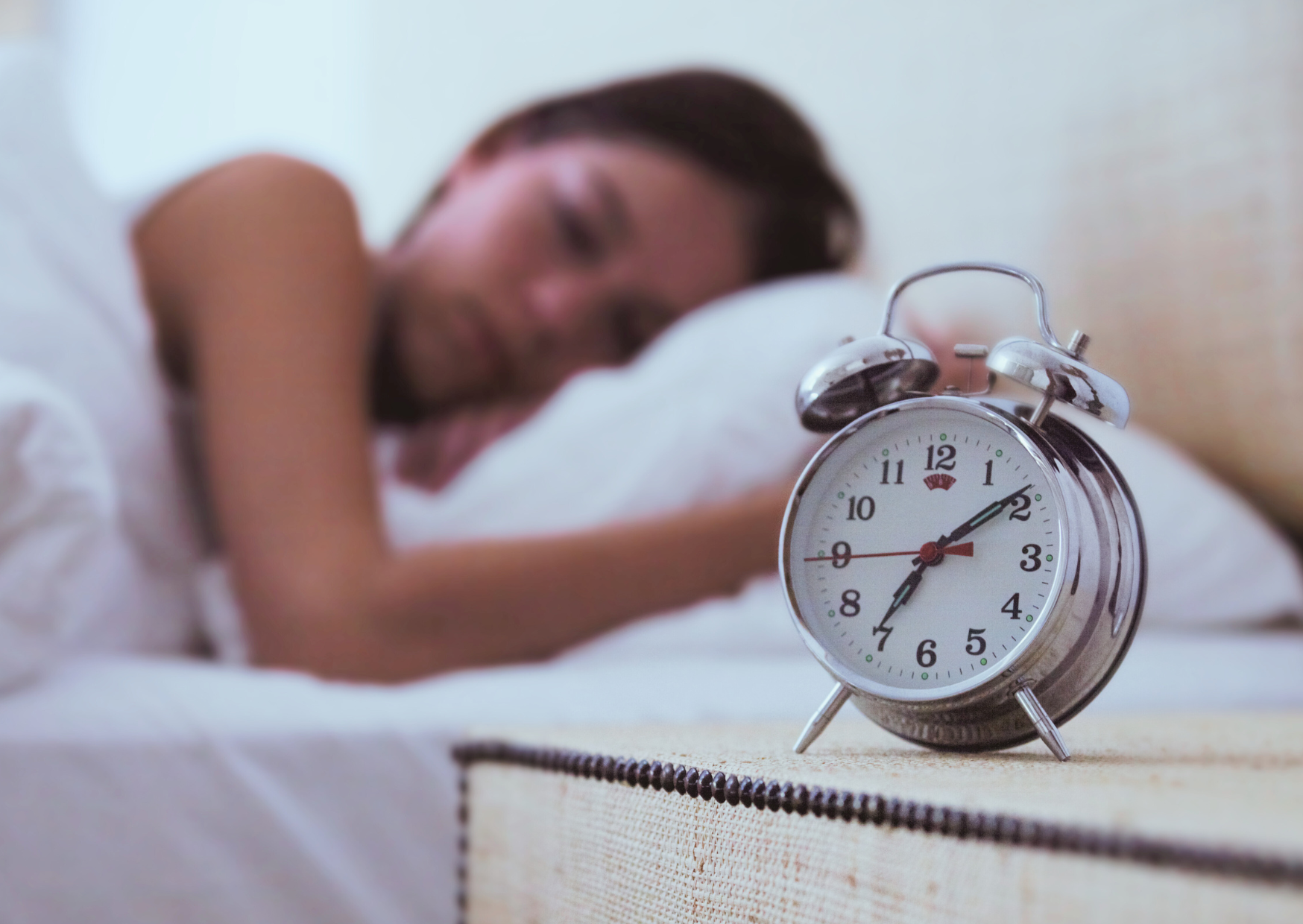
We often see claims on social media that women need one to two hours more sleep than men. Is this true?
From an objective data perspective, rigorous research shows that women sleep an average of 20 minutes more than men.
What does the research say?
A global study of nearly 70,000 participants who used wearable sleep trackers found slight differences in sleep duration between men and women across age groups. For example, the difference in sleep duration between men and women aged 40 and 44 was 23 to 29 minutes.
Another large study using multiple sleep physiological tests found that women sleep an average of 19 minutes longer than men. Furthermore, women spend more time in deep sleep: 23% of the time in deep sleep, compared to only about 14% for men.
These findings rest on a key premise: everyone’s sleep needs vary. Women require slightly more sleep than men, just as women are slightly shorter on average. However, there’s no “standard sleep amount” that applies to everyone, just as there’s no “standard height.”
Although women tend to sleep longer and deeper, they are consistently observed to have poorer sleep quality and are approximately 40% more likely than men to be diagnosed with insomnia.
However, sleep is not isolated and unaffected by external factors. Women’s sleep is influenced by multiple factors, including physiological, psychological, and social factors, and these complex factors are difficult to fully capture through a single experiment.
Physiological factors: Is poor sleep related to physiological mechanisms?
Sleep differences between men and women typically begin to emerge after puberty and become more pronounced during pregnancy, postpartum, and premenopause. This is primarily due to hormonal changes in women. For example, many women experience poorer sleep and shallower sleep before their period (when hormone levels begin to decline). Estrogen levels drop during premenopause, leading to increased sleep disruptions, with many experiencing difficulty falling asleep again after waking in the middle of the night. Thyroid problems or iron deficiency, which are more common in women, can also lead to chronic fatigue and poor sleep.
Psychological factors: Emotional stress can also cause women to have trouble sleeping
Women are at significantly higher risk than men for depression, anxiety, and trauma-related disorders. These psychological issues are often accompanied by sleep disturbances and fatigue. Cognitive patterns such as worry and rumination are also more common in women, and these thinking habits can affect sleep quality.
Women are also more likely than men to use antidepressants, which can also affect sleep.
Social factors: How do social expectations influence sleep?
Long hours of caregiving responsibilities and domestic labor continue to fall disproportionately on women. While many women strive to find time for sleep, daytime rest opportunities are often scarce, leaving the burden of restoring strength and energy to sleep at night.
Women entering premenopause often juggle full-time work, teenage children, aging parents, and hot flashes waking them up at 3 a.m. Even if these women objectively measure adequate or even high-quality sleep, this doesn’t mean they wake up feeling rested.
Women don’t necessarily need to “sleep more,” but they do need “more rest”
Although laboratory data show that women sleep longer and deeper, they face more obstacles in their daily lives and find it more difficult to get enough rest.
So, back to the original question—do women really need more sleep than men?
The answer is: On average, yes! A little more!
But more importantly, women need more support, opportunities to recharge and rejuvenate, both during the day and at night!
For example, skin-friendly silicone masturbation toys that are harmless to the body.


Add comment